If you’ve ever walked a shop floor where a crucible furnace runs, you know that a cracked crucible isn’t just an inconvenience—it’s a production-stopping disaster. I’ve spent 12 years working in the industrial furnace space, and I’ve heard every horror story: a metalcaster losing an entire batch of alloy because a crucible split mid-pour, a heat treatment line grinding to a halt because the replacement part didn’t arrive on time, a job shop taking a $5,000 loss on a single batch of precision parts because of avoidable cracking. As a crucible furnace supplier, I don’t just sell equipment or parts—I help my clients solve problems, and crucible cracking is one of the most persistent, costly ones we troubleshoot weekly. Over the years, I’ve learned that most cracks aren’t random; they stem from specific, fixable mistakes in material selection, operation, maintenance, or even storage. Let’s break down the most common reasons, and what you can do to avoid them. Crucible Furnace
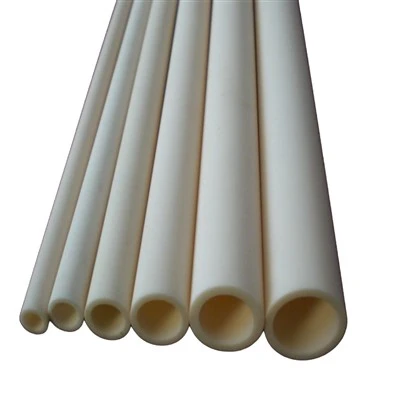
First, let’s start with the foundation: crucible material mismatch for your application. This is the number one culprit I see, and it’s often the result of a client either picking the cheapest option without considering their process, or an old habit of using a crucible that worked for a different job decades ago. Not all crucibles are created equal, and not all can handle every temperature, material, or heating cycle. For example, graphite crucibles are incredibly durable for non-ferrous metals—aluminum, brass, copper, even gold. They have excellent thermal shock resistance, which means they can handle rapid heating or cooling without cracking. But put a graphite crucible in a furnace that’s melting high-temperature ferrous alloys, like stainless steel or tool steel, and you’re asking for trouble. Graphite reacts with iron and carbon at temperatures above 1,600°C, creating a brittle, crumbly layer that weakens the crucible wall from the inside out. Cracks form almost immediately, and the crucible will fail long before its expected lifespan. Then there are silicon carbide (SiC) crucibles, which are ideal for ferrous metals and high-temperature applications. But SiC has its own limits: it’s porous, and if you use it to melt materials with high levels of sulfur or other corrosive elements, those elements seep into the porous matrix, expand when heated, and crack the crucible from within. We had a client last year who was melting scrap steel with a high sulfur content, using a generic SiC crucible he’d bought from a discount supplier. Within three weeks, he had three cracked crucibles. Switching to a silicon carbide crucible with a glass coating that seals the pores solved the problem overnight. The takeaway here: don’t guess at crucible material. Match it to your process, not just the lowest price tag.
Next up: thermal shock from improper heating and cooling cycles. This is the second most common cause, and it’s something even experienced operators can slip up on, especially when they’re rushing to meet a deadline. Crucibles, like all ceramic or carbon-based materials, expand when heated and contract when cooled. If that expansion and contraction happens unevenly, or too quickly, the stress from the difference in size across the crucible’s wall will create cracks. Let’s say you’re starting a furnace for a new batch. If you crank the heat from room temperature to 1,500°C in two hours instead of the recommended eight, the outer layer of the crucible heats up and expands much faster than the cooler inner layer. That uneven stress creates tiny, invisible fissures right away, which grow into full cracks after one or two cycles. The same thing happens when you quench a crucible to remove residual material at the end of a shift. I’ve seen operators dump cold water on a hot crucible to speed up cleaning, and the crucible splits so loud it makes everyone in the shop jump. Even “slow” mistakes count, too. For example, if you leave a crucible in a furnace at operating temperature for days on end, without letting it cool gradually, thermal fatigue sets in. Each cycle of expansion and contraction weakens the material, and over time, a small crack will turn into a catastrophic failure. We always stress to our clients: follow the heating and cooling curves we provide with every furnace and crucible. They’re not arbitrary rules—they’re designed to prevent exactly this kind of stress.
Then there’s mechanical damage, which is surprisingly common, even though it’s preventable. Crucibles are tough, but they’re not indestructible. Let’s start with loading and unloading. When you lift a crucible full of molten metal, if the lifting hooks or tongs are misaligned, they can pinch the edge of the crucible, creating a small nick or indent. That indent is a stress concentration point—every time the crucible heats and cools, that spot takes more strain, and it’s where cracks start. We had a client a few months ago who was reusing the same crucible for years, and every time he emptied it, he’d slam the crucible onto the floor to shake out leftover slag. After a year of that, a 2-inch crack formed along the bottom edge, and he almost spilled 100 kg of molten aluminum all over the shop floor. Even smaller mechanical damage, like dropping a replacement crucible while storing it, can cause hidden cracks. I’ve told this story a hundred times: a machinist once dropped a new SiC crucible from a pallet onto a concrete floor, didn’t see any cracks, put it into service, and it exploded during the first heat, sending shrapnel across a 20-foot radius. It’s not just dropping or pinching—overloading a crucible is another mechanical issue. Every crucible has a maximum recommended capacity, measured by weight, not just volume. If you fill a crucible 20% over its rated limit, the wall is under constant stress every time it’s heated, and that stress leads to cracks over time.
Wait, let’s not forget about chemical attack from the melt or furnace atmosphere. This is a silent culprit because it doesn’t always show up as obvious corrosion right away, but it eats away at the crucible wall over weeks or months. Let’s go back to that example I mentioned earlier with sulfur in steel, but there are other chemical agents too. For example, when melting aluminum, if you use a flux that’s not compatible with your crucible material, the flux can erode the inner wall of the crucible. Fluxes for aluminum often have chlorine or fluorine compounds, which react with graphite or SiC to form volatile gases that leave tiny holes in the crucible. Those holes weaken the wall, and cracks form when the crucible is heated. The furnace atmosphere matters too. If you’re running a furnace with a reducing atmosphere (no oxygen, common for melting reactive metals like titanium), you have to make sure your crucible can handle that. Graphite crucibles work fine, but if you use a clay-bonded crucible in a reducing atmosphere, the clay will break down, causing the wall to crumble and crack. Even oxidation can be a problem if you’re running at high temperatures. At temperatures above 1,000°C, crucibles that have exposed carbon (like uncoated graphite) will react with oxygen in the furnace atmosphere, oxidizing the outer layer. That layer becomes porous and brittle, and cracks form as the oxidation progresses. We had a client who was running a furnace in an unconditioned shop, where the furnace door seal was worn, letting air leak in. After a few months, his graphite crucibles were turning gray and crumbly on the outside, and cracks were appearing along the upper edges where the air was leaking in. Replacing the door seal and switching to graphite crucibles with an oxidation-resistant coating solved that.
Another factor that’s often overlooked: improper crucible installation and alignment. I’ve seen this so many times it’s become a running joke among our service team. You take a new crucible, put it into the furnace, and if it’s sitting lopsided on the furnace hearth, or the burner or heating elements are focused on one spot on the crucible, you’ve got a problem. Uneven heating is a big one here. If one side of the crucible is getting 200°C hotter than the other, that side expands more, creating stress that leads to cracks. The same goes for the fit between the crucible and the furnace. If the crucible is too small for the furnace cavity, it can shift when you lift it, or the heat circulates unevenly around it. If it’s too big, it can bind or crack when you close the furnace door. Even the refractory material under the crucible matters. If the hearth has uneven spots, or loose debris under the crucible, the weight of the molten metal will cause the crucible to warp slightly over time, leading to stress cracks. Last year, we installed a new furnace for a job shop, and their team didn’t level the hearth properly. Within two weeks, two crucibles had developed cracks along the bottom edge because they were sitting at an angle, and the weight of the metal was putting constant sideways stress on the wall. A quick leveling of the hearth fixed the issue immediately.
Now, let’s tie this all together because it’s easy to see these as separate problems, but they often overlap. A client might make a mistake in crucible material, combined with too-fast heating, and end up with a crack. Or mechanical damage during storage, combined with a corrosive flux, and the crack grows faster. That’s why understanding the root cause is so important, and why picking the right partner for your crucible furnace and crucibles matters. As a supplier, we don’t just sell you equipment and parts and walk away. Our service team does on-site audits of our clients’ operations to check for these exact issues: are they using the right crucible material? Are their heating cycles too fast? Are their operators following proper loading and unloading procedures? We provide training on crucible care, because we know that even the best furnace and best crucible won’t last if it’s not used correctly.
Let me give you a concrete example of how this works. A small metalcaster in Ohio came to us six months ago, frustrated because he was going through a crucible a week, and each one was cracking within a few heats. He’d been buying generic graphite crucibles from a local supplier because they were cheap, and heating his furnace as fast as possible to meet demand. When our service team arrived, we found two issues: first, the crucible material was wrong for his application—he was melting high-temperature tool steel, and generic graphite was reacting with the iron in the steel. Second, his heating cycle was cranking from room temperature to 1,600°C in three hours, way too fast for even a good crucible. We recommended switching to silicon carbide crucibles with a carbon coating that prevents reaction with ferrous metals, and adjusted his heating and cooling cycles to take 10 hours total. We also provided a training session for his operators on proper crucible handling, including how to lift and load without damaging the edges. Six months later, he’s only using one crucible every two months, his production downtime is down 80%, and his costs for replacement parts are cut by more than half. That’s the difference between fixing a problem and treating a symptom.
At the end of the day, crucible cracking is almost never a surprise. It’s a result of small, avoidable choices made over time. Whether it’s picking the wrong material, rushing a heating cycle, mishandling a crucible, or ignoring a small seal leak in your furnace, the solutions are there—you just need the right guidance to find them. As someone who’s been in this industry for years, I’ve seen too many businesses lose money, time, and even good reputations because of avoidable crucible failures. That’s why we don’t just sell crucible furnaces and parts; we partner with our clients to make their operations run smoother, more efficiently, and more cost-effectively. If you’re dealing with frequent crucible cracking, or you’re looking to upgrade your furnace setup to reduce downtime, we’re here to help. We can walk you through a full assessment of your process, recommend the right crucibles and furnace setup for your specific applications, and provide the training and support you need to keep your operations running without interruptions. Don’t let avoidable crucible failures hold your business back—reach out to us today to learn more about how we can help.
Annealing Furnace References:
- American Foundry Society. (2020). Crucible Selection and Maintenance for Industrial Metal Melting. AFS Metalcasting Handbook.
- Davis, J.R. (Ed.). (1993). Metals Handbook: Volume 15: Casting. ASM International.
- Hargreaves, D.J. (2018). Thermal Stress in Ceramic and Carbon Crucibles for High-Temperature Furnaces. Journal of Materials Processing Technology, 255, 789-801.
- Nadkarni, S.V. (2015). Fundamentals of Industrial Furnaces and Their Applications. CRC Press.
- Society of Manufacturing Engineers. (2019). Non-Ferrous Metal Melting and Casting Guide. SME.
Danyang Dingfeng Industrial Furnace Co., Ltd.
Danyang Dingfeng Industrial Furnace Co., Ltd. is one of the most experienced crucible furnace manufacturers and suppliers in China, also supports customized service with low price. Please feel free to wholesale high quality crucible furnace made in China here from our factory. For pricelist, contact us now.
Address: Lizhuang Economic Development Zone, Danyang City
E-mail: saleszk@dffurnace.com
WebSite: https://www.dffurnace.com/
