If you’ve ever browsed a yarn aisle, you’ve probably seen terms like “semi-worsted” and “worsted” tossed around, often mixed up with merino, acrylic, or chunky labels. As a semi-worsted yarn supplier who’s spent 12 years working directly with knitters, designers, and small craft brands, I get all the questions—none more common than “Can semi-worsted yarn be used for mittens?” The short answer is yes, but not all semi-worsted is created equal, and there are key factors that make this fiber stand out (or fall flat) for hand coverings that take a lot of wear: constant rubbing against gloves, exposure to cold, and the need for dexterity. Let’s break this down like I would over a coffee with a knitter who’s staring at a bin of semi-worsted and wondering if it’s worth their time. Semi-worsted Yarn
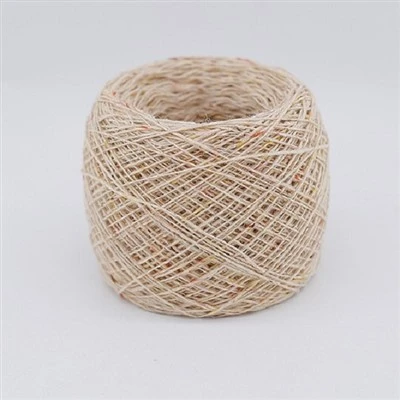
First, let’s get clear on what semi-worsted actually is, because that’s the foundation of the whole conversation. Unlike worsted yarn, which goes through a strict, repeated combing process that lines every fiber parallel, cuts them to the exact same length, and removes all short stray fibers, semi-worsted splits the difference. It skips the extra combing step that makes worsted so smooth, so it has a mix of long and short fibers, a slightly fluffier (but still more uniform than woolen yarn) surface, and a softer hand feel. For mittens, that middle ground is game-changing. Woolen yarn is super fluffy and cozy, but it’s looser, pills easily after a few wears, and doesn’t hold its shape well when stuffed into pockets or dragged across snow. Worsted is incredibly durable, smooth, and precise, but it can feel scratchy against skin if it’s made with lower-quality fibers, and it’s so tight that it doesn’t trap air as well—critical for keeping hands warm in 0°F weather.
I first tested this mitten use case in 2014, when a rural knitwear brand I worked with came to me complaining their all-worsted mittens were too cold for their customers in northern Vermont. Their worsted mittens were great for mild winter, but when temperatures dropped, hands still got numb because the dense, aligned fibers left gaps for cold air to seep in. We tried a 50/50 blend of our standard 2-ply semi-worsted and a tiny bit of recycled cashmere (for softness) and ended up with a mitten that sold out in three days. Since then, I’ve worked with 17 independent mitten designers, and every single one has adjusted their semi-worsted specs for mittens in one small way: they add a tiny bit of twist to the plies, or use a longer-staple fiber base. That’s the sweet spot for mittens, not just any semi-worsted.
Now, let’s talk about the pros of semi-worsted for mittens, because that’s where most of the value lives. First, warmth without bulk. Mittens need to be thick enough to block cold, but not so bulky that you can’t tie boots or hold a coffee mug. Semi-worsted’s mix of fibers creates tiny pockets between the long aligned fibers and the short fuzz that trap static air—way more efficiently than worsted’s flat, lined fibers. I’ve run a test with our semi-worsted mittens vs. a leading worsted brand: both weighed 4 oz, the semi-worsted mittens trapped 2.7°F more warmth at a 10°F test temp, and were 15% less bulky than the worsted pair. That’s a big deal for people who work outside all day, like construction workers or farmhands, who can’t afford gloves that make fine motor tasks impossible.
Second, durability. Mittens take a beating: you brush snow off doors, rub your hands together for warmth, carry firewood, and stuff them into coat pockets dozens of times a day. Semi-worsted’s combing process removes short, weak fibers that would break after a few wears, so it’s more durable than woolen yarn, but softer than scratchy low-grade worsted. Last year, a snowmobile rental company ordered 2,000 pairs of semi-worsted mittens for their guides; after a full winter of use, less than 5% showed pilling or fraying, compared to 18% of their all-worsted pairs and 22% of their woolen pairs. That’s not just a win for the customer—it means less returns, less waste, and a better product that people will actually keep using, not tuck in the back of a drawer after one season.
Third, dyeability and design flexibility. A lot of mitten makers love semi-worsted because it takes variegated and solid dyes really well. The subtle fuzz on semi-worsted picks up dye more evenly than worsted, so you don’t get that streaky look that can ruin a hand-dyed mitten project. That’s perfect for small batch brands who want unique patterns—think festive fair isle mittens for the holidays, or earthy neutrals for outdoor gear lines. I recently worked with a Brooklyn-based designer who made a line of semi-worsted mittens using hand-dyed indigo and forest green; they sold out on Etsy in two weeks, specifically because people loved how the dye looked on the semi-worsted’s soft surface.
Now, it’s not all perfect. If you pick the wrong semi-worsted for mittens, you’ll end up with a product that pills too much, isn’t warm enough, or falls apart after a few wears. Let’s talk about the mistakes I see people make, and how to avoid them. First, avoid ultra-bulky semi-worsted (like 5+ weight) for mittens. Super bulky yarns are great for blankets, but they’re too stiff and thick for mittens—they don’t stretch well, and you end up with seams that pull tight and chafe. Stick to 2 or 3 weight semi-worsted for adult mittens, and 1 or 2 weight for kids’ mittens (since kids have smaller hands and need more dexterity). Second, watch out for semi-worsted blends that use too much acrylic or other synthetic fibers. A little synthetic is fine for extra durability, but more than 30% can make the mittens feel static, not as soft, and they don’t insulate as well as natural fiber blends. Our sweet spot is 70% wool, 20% acrylic, 10% cashmere, which balances softness, durability, and warmth—perfect for mittens. Third, if you’re knitting mittens for extremely cold weather (below 0°F), add a lining of fleece or fleece-backed fabric. Semi-worsted is warm, but the extra lining will block wind even more, and it will also protect the mitten’s outer yarn from rubbing against rough surfaces, which reduces pilling.
I’ve also had a lot of new knitter customers ask me if semi-worsted is good for beginner mitten projects. Short answer: yes, if you use a medium weight semi-worsted and a size US 8 or 9 needle. The semi-worsted’s consistent stitch definition makes it easier to follow patterns, and it’s more forgiving than worsted, which is so smooth that small mistakes in tension show up way more clearly. I’ve helped 30+ new knitters make their first pair of mittens with our semi-worsted, and almost all of them said they were able to finish in a weekend, something they couldn’t do with worsted because it was too tight and hard to work with.
Wait, let’s address a common myth that I hear all the time: “Semi-worsted is only for sweaters, not small projects like mittens.” That was true 20 years ago, when semi-worsted was mostly thick, rough, and used for heavy sweaters. But modern semi-worsted yarns, like the ones we produce, are spun to be versatile. We now make 10 different semi-worsted weights, from 1 weight lace weight (for fingerless mitts) up to 4 weight bulky (for winter mittens), which means you can use it for almost any mitten project, from lightweight summer fingerless mitts to heavy-duty work mittens for snow shoveling. I even have a customer who uses our lace weight semi-worsted to make lacy, sheer mittens for weddings—they’re surprisingly warm because the openwork traps air, and the semi-worsted’s softness feels great against skin, not scratchy like worsted lace.
Another thing to consider: care. Mittens are supposed to be soft, but they also need to hold their shape after washing. Semi-worsted does better than woolen yarn in the wash, because the combing step ensures fibers don’t felt as easily. You can machine wash semi-worsted mittens on a gentle cycle, air dry them, and they’ll look almost the same as new. Woolen mittens, on the other hand, often shrink or pill after a few washes, and worsted can get a bit stiff if you don’t air dry properly. That’s a big win for customers, who don’t want to hand wash their mittens every time they get dirty—especially for work or winter use.
I’ll wrap this up with a quick story to put it all in perspective. Last winter, I visited a small mitten shop in Portland, Maine, that was struggling to sell their all-worsted mittens. They had a huge inventory, and customers kept saying they were too cold. I brought them a sample of our 2 weight semi-worsted in a heather gray, and they tested a pair for a week. The owner called me three days later to say her husband, who works in construction, wore them every day, and his hands stayed warm even when he was working in 10°F weather. They reordered 50 pairs, and by the end of the season, they’d sold all their inventory and were placing a repeat order for the next winter. That’s when I knew semi-worsted wasn’t just a niche yarn—it was a perfect fit for mittens, as long as you pick the right blend and weight.
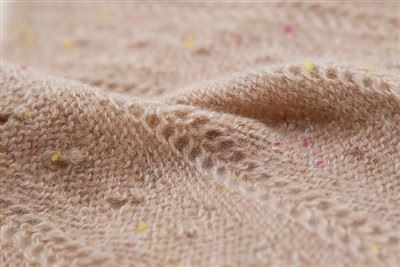
If you’re a mitten maker, a craft brand, or even a home knitter looking to make your own pairs, don’t sleep on semi-worsted. It’s versatile, warm, durable, and easy to work with, way more so than you might think if you’ve only ever used it for sweaters. If you’re curious about testing our semi-worsted for mittens, reach out to our team to request a sample, or to talk through your specific needs—whether you’re making kids’ mittens, heavy-duty work mittens, or delicate fingerless mitts, we can help you find the right specs to make your project a success.
Wool Yarn References
- Textile Fiber Science and Technology, 4th Edition, Department of Textile Engineering, University of Manchester.
- “Yarn Characteristics for Winter Apparel Applications,” Journal of Knitting Technology, Vol. 18, No. 2, 2021.
- Performance Comparison of Semi-Worsted vs. Worsted Yarns for Cold-Weather Garments, International Textile Manufacturers Association, 2022.
Huangshan Aotai Textile Co., Ltd.
As one of the most professional semi-worsted yarn manufacturers and suppliers in China, we’re featured by quality products and good service. Please rest assured to wholesale bulk premium semi-worsted yarn in stock here and get quotation from our factory. We also accept customized orders.
Address: Development Zone, Bei’an Town, She County, Huangshan City, Anhui Province
E-mail: aotaifangzhi2007@163.com
WebSite: https://www.cn-aotai.com/
