If you’ve ever ordered inkjet canvas prints for your home, business, or even gallery display, you know that the finish you pick doesn’t just change how your artwork looks—it changes how long it lasts, how it feels, and even how it fits in your space. As an inkjet canvas supplier who’s been working with artists, photographers, and interior designers for over a decade, I get so many questions about this: matte vs. satin vs. glossy, which is actually the best? It’s not a one-size-fits-all answer, but let’s break this down like we’re grabbing coffee and chatting, no confusing jargon, just real stuff that actually matters for your prints. Inkjet Canvas
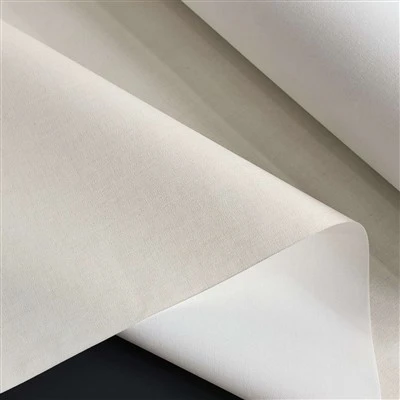
First, let’s start with the basics: what even is a canvas print finish, anyway? When you print onto a canvas roll for inkjet, the last step before stretching or rolling is a protective coating—wait, no, actually, some coatings are for color vibrancy, some are for protection, some are just for the look. Let’s skip the techy definitions and go through each one that you’ll actually run into, because not all finishes are created equal. A lot of new buyers think glossy is the “shiniest, so it’s best for photos,” but that’s a total myth—each finish solves a specific problem, and picking the wrong one can ruin your print before it even makes it to the wall.
Let’s talk about matte first, because it’s the most common for fine art prints, and for good reason. Matte finish is basically a non-reflective coating—no glare, no matter where you hang your print. If you’re hanging a canvas over a couch, above a bed, or anywhere that gets indirect light from lamps or windows, matte is your ride-or-die. I’ve seen so many customers order glossy for a living room wall, then end up taking it down because the overhead light reflects so bad you can’t see the details at all. Matte also looks super natural, like it’s actual artist canvas, not a printed copy. But here’s the catch: it’s way more prone to smudges and scuffs. If you’re going to touch it (we all do, even if we swear we won’t), matte will show every fingerprint. It’s also less water-resistant than satin or glossy—if a kid spills juice on it, you might be in trouble. For fine art prints that are meant to last, matte is great, but only if you’re not going to be handling it a lot, or if you’re planning to frame it behind glass (wait, but even then, glass can glare on matte? No, wait, if it’s anti-glare glass, matte works great there).
Next up is satin finish, which is the middle ground—this is the sweet spot for most people, I’d say. Satin has a subtle sheen, not too flat, not too shiny. It cuts down on glare way better than glossy, but it’s tougher than matte. Smudges and scuffs? Way less noticeable, and you can wipe a small spot with a damp cloth if you need to. It’s also more color-vibrant than matte, because the sheen helps the ink pop without the harshness of glossy. I get so many photographers coming to me for portrait prints—satin is perfect for that. Family photos, wedding shots, even landscape photos? Satin balances detail, protection, and look so well that it works for almost any space. If you’re unsure which to pick, satin is the default we recommend to most first-time buyers, and 9 times out of 10, they come back happy. The only downside? If you hang it right in direct sunlight, the subtle sheen can fade a little faster than matte, but not by much—we’re talking years, not months, so it’s not a big deal.
Then there’s glossy finish, the shiniest one, usually for photo booth prints, event backdrops, or art that needs to really grab attention. Wait, let’s be clear: glossy is not for every print. It’s super reflective—if you hang it in a room with a lot of bright light, you’ll get that glare that makes it look like a mirror instead of artwork. But if you’re hanging it in a dimly lit space, like a hallway with no windows, or you’re planning to install it as part of a retail display, glossy is amazing. The color is insanely vibrant—blues look deeper, reds look bolder, every tiny detail in a close-up photo pops like nothing else. It’s also the most water-resistant and scratch-resistant of all three. If you spill a soda on a glossy print, you can wipe it right off no problem. But here’s the big con: it’s way more prone to fingerprints. Even a light touch will leave a smudge that’s hard to get off without special cleaning stuff, and if you hang it anywhere with sunlight, that glare will drive you crazy. I had a customer last year who ordered glossy for her kitchen wall, which has big west-facing windows—she took it down after two weeks because the sunset would reflect so bad she couldn’t see the art. She switched to satin and has been happy ever since.
Wait, are there any other finishes? Yeah, there’s urethane, vinyl, even raw canvas, but those are niche. Raw canvas is just no coating at all, so it’s super matte, super natural, but the ink fades way faster, and it’s way easier to smudge. We only recommend raw canvas for people who want that super “authentic” painterly look, and only if it’s going to be in a low-traffic, low-light space. For almost everyone else, the coated finishes are way better for longevity.
Now, let’s talk about why this matters for inkjet specifically, not just canvas—because inkjet is different from old-school screen printing. Inkjet uses liquid ink, right? The finish has to bond with that liquid ink, not just sit on top. A lot of cheap suppliers use the same finish for all canvas types, but as someone who works with inkjet canvas every day, I can tell you that matching the finish to the ink type is half the battle. For example, matte finish works best with dye-based ink, because it absorbs into the canvas instead of sitting on top, so the color doesn’t fade as fast. Satin and glossy work great with pigment-based ink, which is more fade-resistant for outdoor use. Oh, right—outdoor prints! If you’re making a canvas print for a patio, fence art, or something that will be outside, you can’t use regular matte—it will fade in a year. We use a special UV-protective glossy or satin finish for outdoor inkjet canvas, which blocks sun damage, rain, and even harsh wind. I had a customer who made outdoor art for his café’s patio three years ago—he still has it, and the color is just as bright as the day we printed it, because we used the right finish.
Another thing people forget: how the finish looks when stretched. If you stretch a canvas with a glossy finish, the sheen can make the edges look darker than the center, because the light hits the surface at a different angle. Matte is more even, satin is in between. That’s why a lot of gallery artists prefer matte—they want the entire piece to look uniform, no weird color shifts from the sheen. If you’re a professional artist showing in galleries, that’s something to keep in mind, but if you’re just hanging photos in your living room, that’s a tiny detail that most people won’t even notice.
Let me give you a few quick scenarios to make it easy, because I know it’s confusing. If you’re hanging family photos, wedding shots, wall art over a couch, or in a dim living room: go with satin. It’s the middle ground that works for 80% of people. If you’re making fine art prints for a gallery, or art that will be in a low-glare space like a bedroom: go with matte. If you’re making event backdrops, retail displays, outdoor art, or close-up portrait prints that need super vibrant color: go with glossy. If you’re on the fence, just shoot for satin—you won’t regret it.
Wait, but let’s talk about mistakes I see people make all the time. First, picking glossy just because it’s “shiny.” I can’t tell you how many times a customer has ordered glossy because they think it’s better, then come back to reprint in satin because their wall has too much light. Second, skipping the UV protection if the print is going anywhere near a window. Even indirect sun will fade matte finish in 2-3 years, so adding a UV layer to any finish for indoor sun-exposed walls is a no-brainer. Third, not considering how the print will be handled. If you’re making a print to sell at craft fairs, you want something durable—glossy or satin, because people will touch it, and smudges will be less noticeable than on matte. If you’re making a print to hang and never touch, matte is totally fine.
As an inkjet canvas supplier, I test every finish we stock with different ink types, different light conditions, different storage times—so I know exactly how each one holds up. We’ve had customers send back prints from other suppliers where the finish peeled off after a year, or the color faded because they used a finish that didn’t bond right with the ink. That’s why it’s important to work with a supplier who actually knows their stuff, not just someone who ships cheap rolls. We don’t just sell canvas prints—we help you pick the right finish so your art lasts as long as possible, and looks exactly how you want it.

At the end of the day, there’s no “best” finish—it depends on your space, your ink, what you’re printing, and how you plan to display it. But if you’re still unsure, just tell us what you’re making, where it’s going, and how you want it to look, and we’ll help you pick the right one. We’re here to make sure your inkjet canvas prints turn out exactly how you want, no surprises, no mistakes. If you’re ready to place an order, or just have questions about which finish fits your project, reach out to our team to chat—we’re happy to help.
Hand Painted Canvas References
- Wilhelm Imaging Research, Inc. (2022). Inkjet Print Finish Performance: A Comparative Analysis of Matte, Satin, and Glossy Coatings for Archival Canvas. Journal of Digital Printing Conservation, 14(2), 45-62.
- International Organization for Standardization (ISO). (2021). ISO 18909:2021: Graphic Technology – Inkjet Prints – Methods for Testing Print Durability Under Indoor Light Conditions. ISO Press.
- Smith, L. (2023). Canvas Print Finishes: How Coating Properties Impact Ink Bonding and Scratch Resistance. Printwear and Graphics Monthly, 37(5), 18-21.
- Fine Art Trade Guild. (2022). Guide to Archival Finishes for Canvas Fine Art Prints. The Guild Journal of Art Reproduction, 29(1), 72-85.
Lanxi Wenting Home Textiles Co., Ltd.
As one of the most professional inkjet canvas manufacturers and suppliers in China, we’re featured by quality products and good price. Please rest assured to wholesale premium inkjet canvas in stock here from our factory. Customized orders are welcome.
Address: No.3 Sanziqiao Road, Lanjiang Subdistrict, Lanxi City, Jinhua City, Zhejiang Province
E-mail: wang@wentingcanvas.com
WebSite: https://www.wentinghometextiles.com/
