Hey there, fellow pastry lovers and future bulk order rockstars. Today, I’m pulling back the curtain on yeast-raised baked pastries—this isn’t some fancy, rigid bakery recipe guide you’d pay for a class to take. I’m the head of our small, no-BS baked pastries supplier team, and I’ve been perfecting yeast-raised stuff for 12 years, serving cafes, grocery spots, and even local coffee shops that used to panic about consistent, fluffy, not-too-dense pastries showing up on their shelves. If you’ve ever messed up a yeast-raised batch at home or struggled to nail that same fluffy, just-baked texture for bulk orders, this is for you. No weird jargon, no “wait 24 hours” nonsense that derails your day—just the real, science-backed stuff I use to keep our client order list growing every month. Baked Pastries

First, let’s cut to the chase: yeast-raised pastries aren’t magic. They’re a chemistry experiment with a side of patience—kind of. I see so many suppliers and home bakers overcomplicate it by talking about “blooming yeast in perfect water” or “exact temperature swings for proofing” like it’s a rocket science. Nah, it’s about feeding yeast the right stuff, not killing it, and giving it space to do its job without rushing. Let’s break this down like we’re chatting over a coffee run—no stuffy terms, just what actually works for bulk production (and yes, it translates to small batches too, if you want to test before bulk ordering).
First up: your three core ingredients, and how to pick them like a pro. You can’t make good yeast-raised pastries with garbage ingredients, plain and simple. For us, this is non-negotiable, because our clients expect the same light, buttery flakiness every single time they restock. Let’s start with yeast—this is your star player, not some afterthought. Ditch the old stuff in the back of your pantry that’s been there since 2021. For bulk work, we use instant dry yeast (IDY) mostly, because it’s way more consistent than active dry yeast (ADY) when you’re mixing 50-pound batches. Wait, what’s the difference? IDY doesn’t need to be bloomed in warm water and sugar first—you can mix it straight into your dry ingredients, which saves time and cuts down on human error. ADY works too, but you have to let it sit for 10 minutes to foam before you use it; if it doesn’t foam, toss it. For our suppliers (the yeast companies, not us), we check the expiration dates every week because old yeast just doesn’t proof right—you’ll end up with dense bricks instead of fluffy croissants or danishes, and that’s a bad look for everyone.
Next, flour. Don’t use all-purpose flour for pastries if you can help it—trust me, I learned this the hard way. All-purpose has a lower protein content (around 10-12%) which gives you a softer crumb, but yeast-raised pastries need a bit more structure to hold all those gas bubbles yeast creates. We use unbleached bread flour for 90% of our yeast-raised line—protein content around 12-14%. The extra gluten from that higher protein traps the carbon dioxide the yeast produces, so your pastries don’t deflate while baking. Bleached flour is a no-go too—we tested it once, and our pastries had that weird, chemical aftertaste. Stick to unbleached, it’s worth the extra buck per bag.
Then, fat. This is where the flakiness (or the disappointment) happens. For laminated pastries like croissants, we use unsalted European-style butter—higher fat content (82%+) than regular butter, less water, so fewer soggy layers. For raised pastries that aren’t laminated, like sweet rolls or cinnamon buns, we mix butter with a touch of shortening for extra softness that doesn’t go stale too fast. Pro tip: don’t use salted butter here, because you lose control over the salt balance. We learned that when a batch of cinnamon buns came out way too salty and our client had to take them off the menu. Oops. That’s why we use unsalted, and add salt separately—easy fix, no more mistakes.
Now, let’s get to the process, broken down step by step, with the science that makes it work, because if you understand why you’re doing something, you won’t mess it up. First, mixing. For bulk batches, we use a big spiral mixer—way better than a stand mixer for large volumes, because it kneads evenly without overworking the dough. If you’re making small batches, a stand mixer with a dough hook works, just don’t overmix it. Overmixing develops too much gluten, and your dough will get tight, so when it proofs, it won’t expand, and when it bakes, it’ll be tough. Undermixing? Dough is crumbly, yeast can’t get enough nutrients, so it won’t rise. Aim for a smooth, elastic ball—like the texture of a fresh gum eraser, not stretchy like a rubber band.
Next, the first rise (called bulk fermentation, fancy term, I know). This is where the yeast does its thing—eats the sugars, releases CO2 and alcohol, which makes the dough fluffy and gives it that distinct, yeasty flavor. Here’s the big science rule: yeast is a living organism, so it only works in a sweet spot. Too cold, it goes dormant. Too hot (over 120°F/49°C), it dies. We keep our proofing area at 75-78°F (24-25°C) with about 70% humidity. Humidity is key—if it’s too dry, the dough skin gets hard, and the yeast can’t expand properly, so you get lopsided pastries. If you don’t have a fancy proofing box at home (or even a small commercial one for small bulk runs), just set the dough in a big bowl, cover it with a damp tea towel, and put it in a closed cabinet away from drafts. How long does it take? For bulk fermentation, we let it sit for 1.5 to 2 hours, or until it’s doubled in size. Don’t let it triple—once it’s doubled, it starts to get that off, bready flavor that no one wants. Trust me, I’ve had a batch sit for 4 hours by accident, and it tasted like old bread. Not good for our supplier reputation.
Now, if you’re making laminated pastries (croissants, danishes, palmier), here’s the next step: lamination. This is folding the butter into the dough to create those thin, flaky layers. I see so many people mess this up by letting the dough or butter get too warm. Butter melts at around 90°F (32°C), so if your kitchen is even a little warm, butter will leak out and you’ll get a mess instead of layers. Keep your dough in the fridge for 30 minutes before rolling it, and keep the butter block cold too. We work in a cool area (our bakery is always 72°F max) for this step. Fold the dough like a letter, roll it out, fold it again—do that 4 times, each time chilling it for 20 minutes in between folds. This is tedious, I won’t lie, but it’s what makes a croissant melt in your mouth, not just a flat, greasy thing. For bulk orders, we use automated lamination machines, but if you’re making small batches by hand, be patient—no rushing here.
After lamination, you cut and shape the pastries, then do the second rise (called final proof). This is when the shaped pastries rise into their final, gorgeous shape. Again, temperature and humidity are everything here. We put our shaped pastries on baking sheets, cover them with plastic wrap (not a tea towel, it sticks to the proofing pastries—we learned that the hard way), and let them sit in that same 75-78°F, 70% humidity area for 1 to 2 hours, depending on the pastry. For cinnamon rolls, they’ll double in size and feel light when you poke them gently—if the indentation springs back, they need more time. If it stays, they’re ready to bake. If you under-proof, they won’t be fluffy. Over-proof? The yeast uses up all the sugars, so they’ll have a bitter taste, and may collapse in the oven. We test this every time with a small batch of test rolls before a big client order—way cheaper than ruining 500 pastries.
Baking time is next, and this is where a lot of people go wrong with yeast-raised pastries. Don’t bake them too hot, and don’t bake them too long. For most of our yeast-raised pastries, we bake at 375°F (190°C) for 12 to 15 minutes, but laminations like croissants go to 400°F (200°C) for 10 minutes to get those golden, crispy layers. Why? Yeast stops working at around 140°F (60°C), so you need to get the oven hot enough to kill the yeast (which is fine, it adds flavor) and set the gluten structure so the pastries don’t deflate. But if the oven’s too hot on the outside, the outside will burn before the inside is cooked. We use convection ovens for bulk baking, which circulate heat evenly—no more unevenly browned pastries. For home bakers, a regular oven works, just rotate the baking sheet halfway through to avoid hot spots.
Wait, a quick pro tip for bulk suppliers (like us) and clients who are storing these pastries: once they’re baked, they’re best eaten within 24 hours, but we flash freeze half our orders for clients who need them to last a week. Flash freezing at -20°F (-29°C) immediately after baking locks in that fresh, fluffy texture—no freezer burn, no stale taste. You just pop them in a 350°F oven for 5 minutes to reheat, and they’re like fresh from the bakery. We send our clients a little guide with every bulk order so they know how to store them, because nothing hurts more than a client saying their pastries were soggy and we know it was storage, not our baking.
Now, let’s talk about common mistakes I see all the time, because I’ve made every single one of these. First, killing the yeast by using too-hot water. I can’t tell you how many times a new baker will add boiling water to the yeast, and wonder why it doesn’t foam. Yeast dies over 120°F, so water should be around 105°F (40°C)—warm, like a bath, not hot. Second, not letting the dough proof enough. We had a new client last year who cut their cinnamon rolls 30 minutes before final proof, so they were dense and tasted like raw dough. That’s why we include a small test batch with every order—so clients can check the proof before baking the whole run. Third, overworking the dough. I once mixed a batch of croissant dough for 10 minutes too long, and it got tight, so when it baked, it was tough instead of flaky. Learn from my mess-ups. Fourth, not controlling humidity during proofing. Dry air makes the dough skin hard, so the pastries can’t rise. We even use a spray bottle with water to spritz the proofing area if it’s too dry in the winter when our HVAC kicks on.
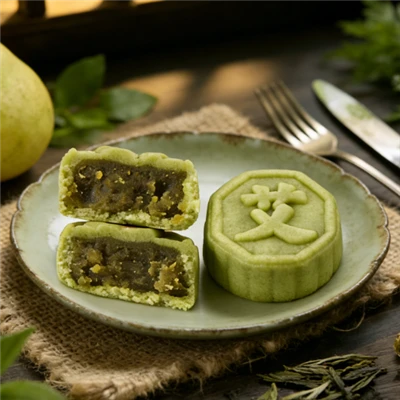
Floral-Inspired Pastries Okay, now the part you’ve been waiting for—if you’re a cafe, grocery store, coffee chain, or even a large event organizer that needs consistent, high-quality yeast-raised pastries in bulk, hit us up. We don’t do cut corners, we stick to these science-backed steps to make sure every order is the same, every single time. No surprise dense rolls, no soggy croissants, no inconsistent flavors. We work with businesses of all sizes, from small local coffee shops to regional grocery chains, and we’re flexible with custom flavors too—think salted caramel danishes, cinnamon rolls with cream cheese icing, almond croissants, whatever you need for your menu. Just reach out to us to chat about your order size, flavor needs, and delivery schedule—we’re here to make this easy for you, because we know how important good pastries are to keeping your customers coming back.
References
- McGee, H. (2004). On Food and Cooking: The Science and Lore of the Kitchen. Scribner.
- Cauvain, S. P. (2015). Bread Making: Improving Quality. Woodhead Publishing.
- Wakai, Y. (2020). The Science of Yeast-Leavened Baked Goods. Journal of Culinary Science & Technology, 18(4), 345-362.
Fujian Luchen Food Co., Ltd.
As one of the most professional baked pastries manufacturers and suppliers in China since 1986, our products have good reputation in the market. Please feel free to wholesale bulk delicious baked pastries from our factory. Good service and quality products are available.
Address: No.19, Shangxipulou, Nansheng Town, Pinghe County, Zhangzhou City, Fujian Province
E-mail: service@xmnahan.com
WebSite: https://www.luchenbakery.com/
