If you’ve ever stood next to a working industrial centrifugal fan—say, in a warehouse loading bay, a commercial HVAC unit, or a manufacturing plant’s dust collection system—you know they’re the unsung workhorses of many operations. When a fan suddenly stops, it’s not just an inconvenience; it can bring production lines to a halt, spike energy bills, or even trigger safety hazards in facilities that rely on proper ventilation. As a centrifugal fan supplier, the question I hear most from shop managers, plant engineers, and HVAC contractors isn’t just “How much does a fan cost?” It’s: How long will my centrifugal fan actually last? Centrifugal Fan
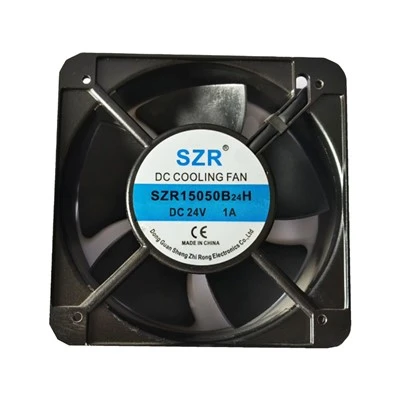
There’s no one-size-fits-all answer, and that’s exactly why I wanted to break this down for you, straight from the people who build, test, and sell these systems every day. The lifespan of a centrifugal fan isn’t set in a factory spec sheet—it’s a combination of how it’s made, how it’s installed, how it’s maintained, and what it’s actually used for. Let’s start with the basics: most standard centrifugal fans, when used correctly and cared for, fall into a range of 10 to 25 years. But that’s a broad window, and I’ve seen fans run strong for 30 years with the right upkeep, and others fail in 3 years because of poor practices.
First, let’s talk about the design and build quality, because that’s the foundation. Not all centrifugal fans are created equal, and as a supplier, I can tell you that the materials, manufacturing tolerances, and engineering choices make a huge difference. For example, a mild steel fan designed for moving clean, dry air in an office building is going to last much longer than a carbon steel fan used to pull corrosive fumes from a chemical processing plant. Similarly, a fan with a dynamically balanced impeller—machined to within thousandths of an inch to eliminate wobble—will wear far less than a fan assembled with cheap, off-the-shelf parts that can develop imbalance after just a few months of use.
I’ve seen too many operators cut corners on fan quality to save money upfront, only to replace their fan two or three times in the time a high-quality unit would have lasted. A good centrifugal fan is built to handle continuous, consistent load for thousands of operating hours. The average industrial centrifugal fan runs around 4,000 to 6,000 hours a year, depending on the application. At that rate, a 20-year fan lifespan adds up to 80,000 to 120,000 hours of operation. Cheap fans might not hold up past 20,000 hours, while premium, industrial-grade fans can push past 150,000 hours with proper care.
Next up: installation. Even the best fan on the market will fail prematurely if it’s installed wrong. I can’t tell you how many times I’ve fielded a call from a client whose fan is making a loud rumble or failing early, only to find out it was mounted on a wobbly, unanchored frame, or the ductwork was misaligned so the fan was working against unnecessary back pressure. Centrifugal fans rely on precise airflow: if the inlet or outlet ductwork is too small, or if there are sharp bends that disrupt the air stream, the fan has to work harder than it was designed to, putting extra stress on the motor, bearings, and impeller. Improper electrical wiring is another common culprit—undersized wiring can cause the motor to overheat, while incorrect voltage can lead to persistent strain that wears parts out faster. I always recommend that clients work with a certified technician for installation, not just a general handyman, because the small details here directly impact lifespan.
Maintenance is the biggest variable, in my experience. I’ve seen identical fans, used in the exact same application, one still running after 18 years, the other needing a full rebuild at 7 years. The difference? Consistent, proactive maintenance. Centrifugal fans have a few key parts that wear out over time: bearings, belts (if it’s a belt-driven model), motors, and impeller blades in applications where dust, debris, or corrosive materials are present.
Bearings, for example, are the most common part to fail in a centrifugal fan. If you don’t lubricate them regularly—usually every 3 to 6 months, depending on the load—they’ll develop excessive friction, overheat, and seize up. I’ve had clients who skip lubrication entirely, and their bearings go bad in less than two years, instead of the 10+ years they could have lasted. For belt-driven fans, checking belt tension and replacing worn belts on schedule prevents the motor from working too hard, which extends both parts’ lifespans.
Impeller wear is another factor, especially in applications that move dusty, abrasive, or dirty air. A fan used for woodworking dust collection, for example, will have impeller blades that wear down from wood particles over time. If you don’t inspect the impeller annually to check for wear, imbalance, or build-up of materials (which can throw the fan out of balance), you’ll end up with vibration that damages the motor and bearings, leading to early failure. I always advise clients to set up a maintenance schedule: monthly checks for unusual noise, vibration, or air flow; quarterly lubrication and belt inspections; annual deep cleans and impeller checks; and every 3 to 5 years, a professional overhaul if the fan is running heavy-duty.
Then there’s application-specific use, which can cut lifespan dramatically. Centrifugal fans aren’t one-size-fits-all, and using a fan designed for a light application in a heavy one is a surefire way to shorten its life. For example:
- Fans designed for clean HVAC use, moving dry air at low to medium pressure, will last 15 to 25 years if maintained.
- Fans in dust collection systems (wood, grain, or mining) might last 10 to 15 years, because abrasives wear impellers and housing over time.
- Fans moving corrosive fumes (chemical processing, wastewater treatment) might only last 5 to 10 years, if they’re not made with corrosion-resistant materials like stainless steel or coated aluminum.
- Fans that run 24/7, like in a hospital’s critical care HVAC system, will naturally wear faster than fans that only run 8 hours a day during a work shift. I’ve seen 24/7 fans in pharmaceutical plants that last 12 to 18 years, while similar fans used in a seasonal warehouse can last 20+ years with the same maintenance.
I also want to address a common myth: the idea that once a fan starts making noise, it’s time to replace it. A little hum is normal, but a loud, uneven rumble or squeal is usually a sign that a part is wearing down, not the whole fan. Catching that early—whether it’s a bad bearing, a loose blade, or a misaligned duct—can save you from a full replacement. I’ve helped clients rebuild fans for a fraction of the cost of a new unit, just by replacing bearings, resurfacing a worn impeller, or realigning ductwork, extending their lifespan by another 5 to 10 years.
Now, as someone who works directly with clients to provide centrifugal fans, I’ll be honest: our job isn’t just to sell you a fan. It’s to make sure you get a fan that fits your needs, and to support you in keeping it running as long as possible. Too many suppliers will just push the cheapest fan, but that’s a disservice to you. A fan that lasts longer means less downtime, lower replacement costs, and better energy efficiency—all of which add up to big savings over time.
If you’re evaluating your current fan’s lifespan, or looking to replace an old unit that’s nearing the end of its life, it’s worth asking a few questions: When was the last time you did a professional maintenance check? Is your fan sized correctly for the space and load it’s handling? Did you cut corners on material quality when you bought it last time? Answering those will help you figure out if you’re on track to get the most out of your fan, or if it’s time to invest in a unit that’s built to last.
Whether you’re a plant manager worried about production disruptions, an HVAC contractor looking for a reliable unit for a commercial build, or someone just learning about centrifugal fans, the key takeaway is this: lifespan is a combination of good parts, good installation, and good care. The best way to ensure your centrifugal fan lasts as long as it should is to work with a supplier that stands behind their products, and to prioritize regular maintenance.
If you’re ready to get a fan that’s built to fit your specific application, or want to chat about extending the life of your current unit, I’m here to help. Reach out to connect with our team to discuss your needs, get a custom quote, or ask any questions you have about centrifugal fan lifespan and performance.
Support Fan and Accessories References
- Air Movement and Control Association (AMCA). "Centrifugal Fan Selection and Maintenance Guidelines." AMCA International, 2021.
- American Society of Heating, Refrigerating and Air-Conditioning Engineers (ASHRAE). "HVAC Systems and Equipment Handbook: Fan Durability and Reliability." ASHRAE, 2022.
- Industrial Ventilation: A Manual of Recommended Practice for Design, 30th edition. American Conference of Governmental Industrial Hygienists (ACGIH), 2019.
Dongguan Shengzhirong Electronics Co., Ltd.
As one of the most professional centrifugal fan manufacturers and suppliers in China, our products have good reputation in the market. Please rest assured to wholesale high quality centrifugal fan made in China here from our factory. Customized orders are welcome.
Address: 6/F, Building 2, No.68, Shunxing 2nd Road, Dajingtou 2nd Industrial Zone, Dalang Town, Dongguan City, Guangdong, China
E-mail: szr_coolingfan@163.com
WebSite: https://www.szrfan.com/
