Hey everyone, and thanks for hanging out with me here. I’m Jake, and I’ve spent the last six years running operations at a sports water bottle supplier—so yeah, I’ve touched, tested, and obsesses over these little bottles way more than I should (ask my girlfriend, she jokes I hoard test units in our closet). Lately, I’ve gotten so many DMs and emails from you guys asking the same question: “How long do these sports water bottles actually last? I’ve had some that cracked in 3 months, others that are still kicking 2 years later.” That’s the million-dollar question, honestly, and it’s way more complicated than it sounds. Let’s break this down like we’re chilling at a post-gym water cooler—no stuffy science jargon, just real talk from someone who’s seen the good, bad, and straight-up weird with these bottles. Sports Water Bottle
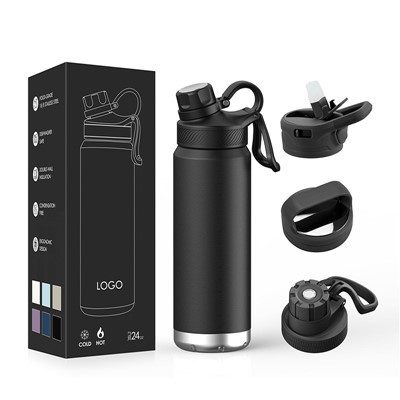
First off, let’s get one thing straight: there’s no one-size-fits-all lifespan here. A lot of it comes down to what the bottle’s made of, how you use it, and what kind of abuse you put it through. Let’s start with the big three materials, because that’s where most of the timeline lives.
First, the OG plastic ones—usually BPA-free #2 HDPE or #5 PP, right? These are the cheap, lightweight ones you grab for road trips or soccer practice, the kind you can toss in a backpack without panicking. I always say these bad boys usually last 1 to 2 years if you’re decent to them. But here’s the catch: if you leave them in a hot car or by the gym heater? That cuts it way short. HDPE gets brittle when exposed to extreme heat—like, think of a plastic milk jug left on a windowsill all summer; it gets all crinkly and weak. A friend of mine left a pack of these bottles in his work truck for a week last July, and half of them cracked when he picked them up. On the flip side, if you baby them—hand-wash them, don’t drop them, keep ’em out of direct sun—they might even stick around 3 years. I’ve seen clients send back bottles that are 5 years old and still holding liquid, but that’s the exception, not the rule.
Next up, aluminum bottles. These are the ones with that matte or glossy finish, usually lined with a food-safe coating to keep the metal from reacting with water. Aluminum’s tough, so I’d peg these at 2 to 4 years, maybe longer. But they have a weak spot: the lining. If you’re scrubbing the inside with a metal brush (I’ve caught so many people doing this), or pouring super hot coffee or citrus drinks (like orange juice) in them every single day, that lining can start to wear down. Once the lining chips, the aluminum starts leaching into your drink, and trust me—you don’t want that. I had a client last year who complained her aluminum bottle started tasting like metal; turns out she’d been using a steel scrubber to get rid of coffee stains. That’s a quick fix if she’d just used a soft sponge. Also, aluminum dents easily, right? A big dent can mess up the insulation on double-walled aluminum bottles, so if you drop it down a set of stairs, that lifespan plummets fast.
Then the big dog: stainless steel. These are the insulated ones, the ones that keep your water cold for 24 hours or coffee hot for 12. I get asked all the time if these last forever, and no—they don’t, but they’re way tougher than the others. A quality stainless steel bottle (like the ones we supply with a thick 18/8 food-grade steel) can easily go 5 to 10 years, sometimes even more. I’ve got a personal one I’ve used for 7 years, and it still keeps my morning iced latte cold until noon. But again, it’s not invincible. The lid is the biggest culprit here. Most people replace the lids before the actual bottle wears out—gaskets get moldy, hinges break, the straws get all grimy no matter how hard you scrub (pro tip: replace straws every 6 months, it’s way cheaper than a new bottle). The steel itself can rust if you leave water sitting in it for weeks, or if you scratch the inside badly enough (though that’s rare with proper care). The outside coating can chip if you scrape it on concrete or keys, but that’s just cosmetic—doesn’t affect how it works.
Now, let’s talk about the stuff that doesn’t depend on material—how you use the bottle. I once had a supplier send over a batch of test bottles, and half of them cracked in 2 months when we dropped them from 6 feet onto concrete. Turns out their plastic was too thin. But the ones that survived? Were from a thicker, food-grade plastic we already use. That’s product quality, but usage habits are huge too.
First, washing. This is non-negotiable. I know people who toss their bottles in the dishwasher every single time, and that’s not always a great idea. Wait—let’s clarify: some bottles are dishwasher-safe, but a lot of the cheap ones aren’t. The high heat and harsh detergents can break down plastic, warp aluminum, and loosen the gaskets in lids. I always recommend hand-washing with warm, soapy water and a soft sponge for the longest life. If you do put it in the dishwasher, toss it on the top rack, and avoid the heated dry cycle— that’s where the heat messes things up. Also, don’t let dirty water sit in the bottle for days. Bacteria grows fast in that dark, moist space, and that can start to break down the material from the inside out. I’ve had bottles that developed a weird smell after a week of leftover sports drink sitting in them—scrubbing with baking soda fixed it, but better to just rinse it right after use.
Then, temperature extremes. This is a mistake everyone makes, myself included. I once left my stainless steel bottle in the trunk of my car in January, overnight, and it got so cold the lid froze shut. Luckily, I didn’t drop it, but I’ve seen people leave them in a hot gym locker in August, and the plastic gets soft, the metal expands, and cracks form. Extreme heat or cold breaks down the molecular structure of any material, plain and simple. So don’t use your bottle as a ice pack or a hot water bottle—save that for other things.
What about dropping it? I trip over my own feet all the time, so I’ve dropped more bottles than I can count. Small drops (from waist height) usually don’t do much, especially with stainless steel. Drops from shoulder height or higher, especially onto hard concrete? That’s where you get dents, cracks, or broken lids. If a plastic bottle cracks, that’s the end of it—you can’t fix that. Aluminum with a big dent might still work, but double-walled ones will lose their insulation. Stainless steel? It might keep working, but the dent weakens it, so another drop could split it.
Now, let’s get to the question everyone is really asking: when do you need to replace your sports water bottle? Because it’s not just about how old it is—It’s about red flags. If you see cracks (anywhere, not just the cap), that’s a no-go, especially for plastic, which can leach chemicals once cracked. If it’s tasting off—metallic, or like old plastic— that’s the lining or material breaking down. If the lid won’t seal anymore, so water leaks all over your bag mid-hike—replace that, don’t risk a soaked laptop. If it’s getting stained no matter how hard you scrub, that’s usually bacteria buildup that you can’t get rid of, and it’s gross to drink from.
I’ve seen people use bottles for way longer than they should, and that’s a health risk more than anything. A cracked plastic bottle can have bacteria growing in the tiny crevices, and chemicals can seep into your drink. A chipped aluminum lining can leach aluminum, which isn’t great for you in large amounts. So don’t hold onto a bottle that’s giving you trouble just because it’s sentimental—grab a new one, and pass the old one on for recycling if possible.
Wait, let’s circle back to product quality for a second. This is why I’m in this line of work— because I’ve seen the difference between a $5 Amazon special and a bottle that’s built to last. The cheap ones are made with thin, low-grade plastic, no proper lining for aluminum, flimsy lids that break after a month. The bottles we supply are made with food-grade materials, tested for durability, with thick walls and secure lids. We test every batch for drop resistance, heat exposure, and lining integrity, so you know you’re getting something that won’t die on you mid-practice or workout. I always tell customers: pay a little more up front, and you won’t be replacing your bottle every 3 months. That saves you money in the long run, honestly.
Let me throw out some quick examples to make this real. My 7-year-old stainless steel bottle: that’s the one with the scratched outside from keys and rocks, works perfectly. A client of mine uses aluminum bottles for his kids’ soccer practice; they hand-wash them, no metal brushes, and those are going strong for 3 years now. A college kid I know uses a cheap plastic bottle he got for free at a sporting event; it cracked at the base after 5 months because he kept dropping it on the concrete sidewalk. That’s the difference between material, care, and quality.
Now, I know some of you are wondering about eco-friendliness. That’s a big one for me, and for a lot of my customers. The longer your bottle lasts, the less you end up throwing away. That’s why we design our bottles to be repairable, or at least recyclable, when they do reach the end of their life. We don’t want to add to the plastic waste problem, so building bottles that last is the best way we can help. If you take care of your bottle, you’re not just saving money—you’re doing a small part for the planet, too.
Wait, let’s address some myths I see online all the time. “Stainless steel bottles are completely unbreakable.” No, they’re not—they can dent, scratch, and even split if you drop them the wrong way. “All plastic bottles are bad for you.” Actually, most BPA-free plastics are safe, but once they crack or get old, they can start leaching chemicals, so replacing them when needed is key. “You can put any drink in any bottle.” No—citrus drinks, alcohol, or super sugary sports drinks can wear down linings faster, so that aluminum bottle is better for water or non-citrus drinks, not morning orange juice mimosas.
So to wrap this up: the lifespan of a sports water bottle isn’t set in stone. It ranges from 1 year for cheap plastic bottles, up to 10+ years for high-quality stainless steel, if you take care of it. The biggest factors are what it’s made of, how often you clean it, how you store it, and how rough you are with it.
If you’re in the market for a new bottle, skip the cheap ones that will die in a month. Look for food-grade materials, good reviews for durability, and wash it the right way. And if you’re a gym owner, soccer coach, or business looking to stock bottles for your team or employees, we’ve got you covered. We can custom-order in bulk, get your logo on there, and make sure every bottle is built to last as long as you need it. No flimsy stuff, no hidden costs—just quality bottles that work as hard as you do.
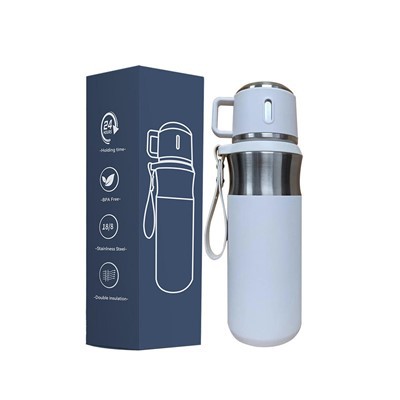
So that’s the tea on sports water bottle lifespans. If you have more questions, or you’re ready to talk bulk orders, hit me up—we’re here to help. And remember, a good bottle isn’t just a thing you carry to practice—it’s a reliable sidekick for all your workouts, hikes, and busy days, so treat it right, and it’ll treat you right back.
Sports Water Bottle References:
- American Chemical Society. (2021). “Chemical Leaching from Reusable Plastic and Metal Water Bottles with Extended Use.” Journal of Environmental Science and Health, Part A.
- International Organization for Standardization. (2019). “Performance Requirements for Reusable Sports Water Bottles.” ISO 22288:2019.
- Centers for Disease Control and Prevention. (2020). “Cleaning and Maintenance of Reusable Water Bottles.” CDC Healthy Environments.
- Woodrow Wilson International Center for Scholars. (2022). “Reusable Water Bottle Lifespan and Environmental Impact.” Project on Plastic Pollution.
Polywell International
Polywell International is one of the most professional sports water bottle manufacturers and suppliers in China, featured by quality products and good price. Please rest assured to buy advanced sports water bottle made in China here and get quotation from our factory. Customized orders are welcome.
Address: Building 3, Chengzhou Industrial Zone, No.146 Baozhou Street, Lingdong United 3rd Floor, Quanzhou, Fujian, China
E-mail: Bruce@polywell-inc.com
WebSite: https://www.cndrinkware.com/
