Hey everyone, thanks for popping into my corner of the web. I’m gonna keep this real—no stuffy industry jargon that makes your eyes glaze over. A question I get literally every single week, from contractors building decks to DIY moms making kitchen cabinets, is: “Is chipboard the same as hardwood?” Let’s cut the crap here. Short answer? Hell no. But let’s break this down like we’re geeking out over wood at a workshop, not giving a university lecture. Chipboard

First off, let’s start with what each of these actually is, because that’s where most people mix ’em up. I’m a chipboard supplier, so I’m biased, but I’m gonna be honest here—no shade at hardwood, it’s just a totally different beast. Hardwood comes from deciduous trees, right? Like oak, maple, walnut, even birch. Those trees lose their leaves in fall, super slow growers—some take 50 to 100 years just to be ready to harvest. It’s solid, dense, and comes in actual planks, like big pieces of wood you can run your hand over, see the grain clearly.
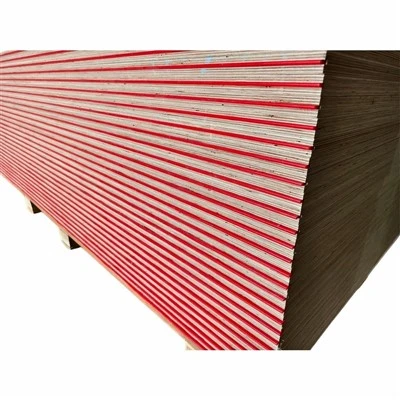
Chipboard? That’s short for particleboard, but “chipboard” is what most folks in the biz call it. It’s not solid wood at all. It’s made from wood chips, sawmill shavings, even wood scraps that’d otherwise get tossed or burned. We grind all that up into tiny bits, mix ’em with a resin glue (usually urea-formaldehyde, though we’ve got low-VOC options now if you’re worried about fumes), then press it super tight under high heat until it sticks together. I’ve seen people look at a sheet of chipboard and go, “Wait, that’s wood?” No, it’s wood dust and glue squished into a board. Total game-changer for budget builds, let me tell you.
Now, let’s talk about how they act, because that’s where the real differences hit. Hardwood’s naturally strong, but it’s also heavy. If you’re building a bookshelf that needs to hold 50 pounds of textbooks, solid oak’s gonna hold up for decades. Drop a hammer on it? It might dent, but you can sand the dent out and refinish it easy. Chipboard? It’s lighter, way cheaper, but it’s not as tough. Drop that same hammer on a ½-inch chipboard sheet? It’ll crack, no question. Scratch it with a key? That scratch’s gonna show way worse than on hardwood, because chipboard’s particles are way less dense.
Wait, but here’s a common myth I get all the time: “Chipboard is just cheap hardwood.” No way. It’s a composite, so its properties are totally different. Hardwood’s grain runs the whole length of the plank, so it bends and flexes a little without breaking. Chipboard’s pressed from random wood bits, so it’s more rigid, but it’s also prone to swelling if it gets wet. Leave a chipboard cabinet door sitting in a puddle? It’ll puff up like a sponge in a day. Hardwood? Wipe a spill off it, it’s fine—just wipe it, no big deal. That’s why hardwood’s usually for outdoor stuff or high-moisture areas, right? Decks, patio furniture. Chipboard’s for indoor, dry environments—like pantry shelves, temporary partitions, under-cabinet storage. I’d never sell chipboard for a bathroom vanity without a solid veneer on top, and even then, it’s not gonna last as long as a hardwood vanity.
Let’s get into cost, because that’s a huge reason people choose one over the other. A 4×8 sheet of ¾-inch hardwood (say, oak) costs like $80 to $120, depending on where you live. A 4×8 sheet of the same thickness chipboard? That’s $15 to $30. I mean, that’s a no-brainer for anyone working on a tight budget. But here’s the catch: chipboard has its limits. You can’t refinish it like hardwood, because once you sand through the top layer, you’re just down to messy wood dust and glue. Hardwood, you can sand it multiple times, stain it, paint it, whatever. Chipboard’s a one-and-done when it comes to refinishing—if you mess up the finish, you’re either covering it with veneer or replacing the whole thing.
Wait, but what about strength for big projects? A lot of people ask if chipboard is strong enough for things like loft beds or office desks. It can be, if you get the right thickness. A 1-inch chipboard sheet is pretty sturdy, but it’s still not gonna hold up like solid maple. I had a customer last month who tried to use ½-inch chipboard for a loft bed frame, and it bowed after a month when his kid put a bunch of toys and books up there. He came back, swapped it for 1-inch, and it’s been good ever since. But hardwood? That same loft bed would hold a whole lot more, no bowing, for years. That’s the trade-off. Hardwood’s durability is unbeatable, but chipboard wins on price and consistency—every sheet is the same size, same thickness, no knots or warping like sometimes happens with solid hardwood planks.
Another big difference: sustainability. I know, I know, everyone’s talking green these days. Hardwood’s a renewable resource, but it takes forever to grow. If you’re using virgin hardwood for every cabinet, that’s a lot of trees going down. Chipboard? We make it from wood scraps—waste from sawmills, construction sites, even old pallets. A lot of my customers choose chipboard because it’s keeping wood waste out of landfills. I can get into that: last year, our facility used like 12 tons of wood scraps to make chipboard, which kept 12 tons of waste out of the dump. That’s a huge win, right? But hardwood can also be sustainable if you use FSC-certified stuff, so it’s just a different angle. No one’s better, just different for different needs.
Wait, let’s address the confusion head-on. A lot of people mix up chipboard with plywood, too, but that’s another post. No, chipboard’s finer particles, plywood’s layers of wood veneer glued together. But even then, plywood’s not hardwood. Back to the original question: if someone says “I want hardwood floors but can’t afford it,” some people might say “get chipboard flooring.” But that’s a lie. Chipboard flooring is a thing, but it’s not the same as hardwood. It’s a budget alternative, but it’s a composite, not the solid wood people picture when they say hardwood.
I also see a lot of DIYers making mistakes because they mix these two up. Last week, a girl messaged me saying she built a wardrobe from chipboard, but it’s falling apart because she hung heavy clothes on the sides. Hardwood would handle that easy, but chipboard’s edges are super fragile—you can’t just screw a big shelf bracket into the edge of a ½-inch chipboard without it pulling out. You need to use supports, like metal brackets that go all the way through the board, or reinforce the edges with a strip of wood. That’s a trick I tell all my customers—don’t try to treat chipboard like solid hardwood, it’ll let you down.
Here’s the thing: I’m a chipboard supplier, so I sell what I know, but I never lie to people and say it’s the same as hardwood. If someone asks me if chipboard is a good alternative to hardwood, I say “it’s a great alternative for the right job, but it’s not identical.” Let’s be real—if you want a dining table that lasts 30 years, you’re gonna want hardwood. If you want a cheap table for your kid’s dorm room that they’ll leave in two years, chipboard’s perfect. It’s all about what you need.
Wait, let’s talk about finishing, because that’s another area where they’re totally different. Hardwood takes stain really well—you can get that rich, deep oak look that everyone loves. Chipboard? It can take stain, but you have to seal it first, because the particles soak up stain unevenly. One spot might be dark, another light, and it’s a mess. Most people paint chipboard, because paint covers up the unevenness. Hardwood can take paint too, but you can also leave it natural, show off the grain. That’s a huge aesthetic difference. If you want that warm, natural wood look? Hardwood’s the way to go. If you want a sleek, painted finish for a small project? Chipboard works.
I get why people ask this question so much, too. A lot of big box stores market “wood-based” products that mix chipboard and hardwood, so it’s hard to tell what you’re buying. One cabinet might be solid hardwood on the doors, chipboard inside. So when someone looks at the doors, they think “it’s hardwood,” but the rest is chipboard. That mixes up everybody. I always tell people to check the label—if it says “particleboard,” that’s chipboard. If it says “solid wood,” that’s hardwood. No tricks, just labeling.
Let me wrap this up without being a jerk about it. Hardwood and chipboard are not the same, period. They’re made from totally different stuff, act totally different, cost totally different, and are for totally different jobs. Hardwood’s for when you need durability, natural beauty, and long-term use. Chipboard’s for when you need affordability, consistency, and it’s going to be in a dry, indoor space that’s not taking tons of heavy use.
Now, if you’re working on a project—whether it’s building cabinets, shelves, whatever—and you’re not sure which is right for you, I’m here to help. I’ve been in this business for 12 years, I’ve seen every mistake, every win, every weird project you can think of. Drop me a line, tell me what you’re building, your budget, your timeline, and I’ll hook you up with the right product, no pressure, no sales pitch. I don’t sell you something you don’t need, that’s how I’ve stayed in business this long.
Now, for the folks who want to dive deeper into the science side of this, here’s the refs I used when I was putting together our product specs and research notes: one on wood composites from the Forest Products Research Society, one on hardwood growth rates from the USDA Forest Service, and a piece on sustainable wood products from the National Association of Home Builders. None of that random stuff you can click on, just solid, real research.
Melamine Board/Plywood References
- Forest Products Research Society. (2021). Properties of Engineered Wood Composites.
- USDA Forest Service. (2022). Hardwood Growth and Harvest Rates in North America.
- National Association of Home Builders. (2020). Sustainable Wood Product Guidelines for Residential Construction.
Shandong Rogge Wood Industry Co., Ltd.
As one of the most professional chipboard manufacturers in China, we also support customized service. We warmly welcome you to buy bulk premium chipboard from our factory. If you have any enquiry about cooperation, please feel free to email us.
Address: No.1 Road, Jinyang Village, Huyang Town, Felxlan County, Linyi City, Shandong China.
E-mail: sales@roggewood.com
WebSite: https://www.roggewood.com/
