Hey everyone! Let’s talk about something we’ve all been there with—standing in front of the dryer, staring at that still-damp load of clothes, checking the time, and panicking about missing that bus or getting the kid to soccer practice on time. As someone who works for a dryer supplier, I get it way more than most—I hear the frustrations daily, and honestly, there’s a lot more to speeding up dryer cycles than just cranking the heat or shoving in extra loads. Today, I’m spilling all the science-backed, no-BS tricks I’ve picked up over the years, plus some mistakes I see people make all the time that actually slow everything down. Dryer
First off, let’s start with the load size. I know, I know—when you have a mountain of laundry, it’s tempting to cram as much as humanly possible into the dryer. But here’s the thing: dryers work by circulating hot air through every single piece of fabric. If you stuff it so tight that the clothes can’t move around, that air can’t get in between them. You end up with half the load still damp and the other half over-dried, wasting energy and time. I see this all the time with customers who come in saying their dryer takes forever, and when we pull out their load, it’s so packed you could barely close the door. The rule of thumb I always pass along? Fill the dryer to about ¾ of its capacity, max. If you can’t easily swish the clothes around once the door is closed, you’ve got too much in there. Some people think this is a waste, but splitting a huge load into two smaller ones cuts total dry time by like 30%—no joke. I’ve tested this myself at home, and it’s night and day. Last week, I had a king-sized comforter that I tried to cram once—it took 90 minutes and was still a little clammy. Split it into two parts (since it’s big, but two loads was easy), and each took 45 minutes. Game changer.
Next up, sorting your clothes. I know sorting is a pain, but it makes such a huge difference. Here’s why: different fabrics hold moisture differently, and they need different heat levels. If you toss your cotton towels, your synthetic workout gear, and your delicate blouses all together, the towels will be super dry by the time the synthetics are only half-way there, and the delicates might be fried. Delicates like silk or lace don’t need high heat at all—they’ll take longer, but if you throw them in with stuff that needs high heat, you’ll either have to run the cycle longer (wasting time on the delicate) or take the synthetics out early and leave the delicates damp. So split them: high-heat stuff (cotton, towels, jeans) in one load, medium-heat (synthetics, workout clothes, polyester blends) in another, and low-heat (delicates, wool, anything with a “hang dry” tag) either air-dried or on the lowest heat. Another sorting trick: separate heavily soiled items or items that hold a lot of water, like wet swimsuits or rain jackets, from lighter loads. Those will slow down the whole batch, so they’re better off alone. I had a customer last month who was furious because his load of t-shirts took 2 hours—turns out he’d thrown in his son’s wet soccer uniform that was sopping, and it was soaking all the other clothes. Once he split it, his t-shirts were done in 40 minutes. Easy fix.
Now, the dryer itself—wait, no, not just the appliance, but the stuff around it. The lint trap. Are you kidding me? This is the biggest, most common mistake. I can’t tell you how many people come to us saying their dryer is broken because it’s taking forever, and the lint trap is so full you could grow a small houseplant in it. The lint trap catches all that tiny lint from your clothes, and if it’s clogged, air can’t flow through the dryer. No airflow means the hot air can’t reach the clothes, so they take way longer to dry. The rule here is simple: clean the lint trap before every single load. I mean every. Even if it feels “mostly clean,” run your finger over it—there’s probably a thin layer of lint that’s blocking air. I keep a small brush next to my lint trap at home to get every bit, not just the big clumps. And don’t forget the dryer vent hose, either—this is the part that goes from the back of your dryer to the wall or outside. Over time, lint builds up here too, and a clogged vent restricts airflow so bad that the dryer has to work way harder, and it’s even a fire hazard. We recommend cleaning the vent hose at least once a year, more if you do a lot of laundry. I know it’s a hassle, but last year, a customer who’d never cleaned his vent said his dry time went from 75 minutes to 35 after he had the vent professionally cleaned. He was shocked, like why didn’t I do this sooner? That’s the energy savings too—less time running the dryer means lower electric bills. Win-win.
Heat settings. I know it’s tempting to put everything on high heat, but that’s not always the best, and actually, sometimes lower heat is faster? Wait, hear me out. High heat can make the outside of a piece of fabric dry quickly, but trap moisture inside—especially for thick fabrics like jeans or towels. Medium heat is often more efficient because it evaporates moisture evenly. For synthetics, high heat can make them static-y or even melt if they’re thin, so medium is better. Delicates obviously low. Also, don’t use the “timed dry” setting if you don’t have to—wait, most modern dryers have a sensor dry setting, right? That’s a game changer. Sensor dry uses little moisture sensors inside the dryer to tell when the clothes are dry, and it automatically cuts the cycle short. So many people leave it on timed dry for like 60 minutes even though the clothes are done in 30, just wasting time and energy. I always tell customers to upgrade to a dryer with sensor technology if they’re struggling with dry time— it’s one of the easiest ways to cut cycles short. And if you don’t have sensor dry, you can check a few times halfway through, instead of running the full 60 minutes. Stick your hand in and feel the clothes—if they’re not damp, hit pause. You don’t need to guess.
Another trick: add a dry towel or two to the load. Wait, is that weird? No, it actually works. Towels absorb way more moisture than other fabrics, so tossing a couple of clean, dry cotton towels into your load helps pull water out of the other clothes faster. I do this all the time with my workout gear that’s been through a spin cycle and is still damp. It cuts dry time by like 15 minutes. Just make sure the towels are clean, obviously—don’t use ones that still have detergent on them. And don’t overdo it, one or two is enough. If you add too many, they’ll take up space and crowd the load.
Also, skip the dryer sheets if you’re worried about static? Wait, no—actually, no, but wait, there’s a catch. Dryer sheets and fabric softeners can leave a waxy residue on the lint trap over time, which restricts airflow. Oh! That’s another thing I didn’t think of at first. If you use dryer sheets every load, that wax builds up on the lint trap, so even if you clean the lint, the wax is still there, blocking air. So if you love using dryer sheets, maybe alternate them every other load, or use wool dryer balls instead. Wool dryer balls are great—they separate clothes, help air circulate, reduce static, and last forever. I use a set of three in my dryer, and it’s cut my dry time by like 10 minutes per load. Worth every penny, honestly. And they’re way better for the environment than single-use dryer sheets.
Wait, what about the clothes before they go into the dryer? That’s a step a lot of people miss. If you take clothes out of the washer and they’re dripping wet, spin them again! Most washing machines have a high-speed spin cycle that gets rid of extra water. If your washer has that setting, use it. I know it adds a few minutes to the wash cycle, but it cuts dry time so much. If you don’t have a high spin cycle, you can even squeeze out the excess water by hand for thick items like jeans or towels before putting them in the dryer. That’s a huge one I learned when my old washer was dying and the spin cycle was weak—my dry time doubled until I started squeezing out the clothes first.
Now, let’s talk about mistakes that people make without even knowing it. Like leaving the dryer door open after a cycle? No, wait, when loading—wait, no, another big one: overloading the dryer is the main one, but also not rearranging clothes halfway through. If you have a big load, the edges might dry before the middle. So 20 minutes into the cycle, pause, open the dryer, toss the clothes around, move the ones on the edges to the middle. That way, everything gets exposed to the hot air evenly. I see people just close the door and walk away, and then they have to run the cycle again because half is still damp. Rearranging takes 10 seconds, saves 20 minutes.
And hey, if you’re in the market for a new dryer, there are some features that actually make a difference for speed. I mentioned sensor dry, but also extra-large drums—they let you load the right amount without crowding, and some have improved airflow systems that circulate hot air better. If your current dryer is older, it might not have the airflow technology that newer models do. That’s something I always bring up when customers ask about upgrading—sometimes a new dryer is worth it if you’re waiting forever every week.
Wait, let’s make sure this is all science-backed, right? Let’s recap why each trick works: load size affects airflow (fewer clothes = better air circulation = faster drying), fabric sorting targets optimal heat levels (different evaporation rates), clean lint traps and vents maximize airflow (the #1 factor in dryer efficiency), sensor dry eliminates over-drying, adding towels or dryer balls increases surface area for air, pre-spinning removes excess water before drying. All of that checks out with the engineering I learned when I started in this business, so this isn’t just random tips—this is actual stuff that works.
Now, let’s be real, we all have those days where we’re running late and need everything to dry in 10 minutes. The only real “hack” for that is hanging a few items on a drying rack while the rest of the load runs. Like, if you need a shirt for work, hang it up on a rack near a fan while the jeans and towels run— that way, you’re not waiting around for everything. Or if you have a few damp items, toss them in for a 15-minute “quick dry” cycle, not a full 60. Most dryers have that setting for a reason!
I’ve been in this dryer game for 5 years now, and I’ve helped thousands of people fix their slow-drying problems. The best part is that most of the fixes are free, or cost like $20 for wool dryer balls or a lint brush. You don’t need to drop a ton of money on a new appliance to speed up your cycles.
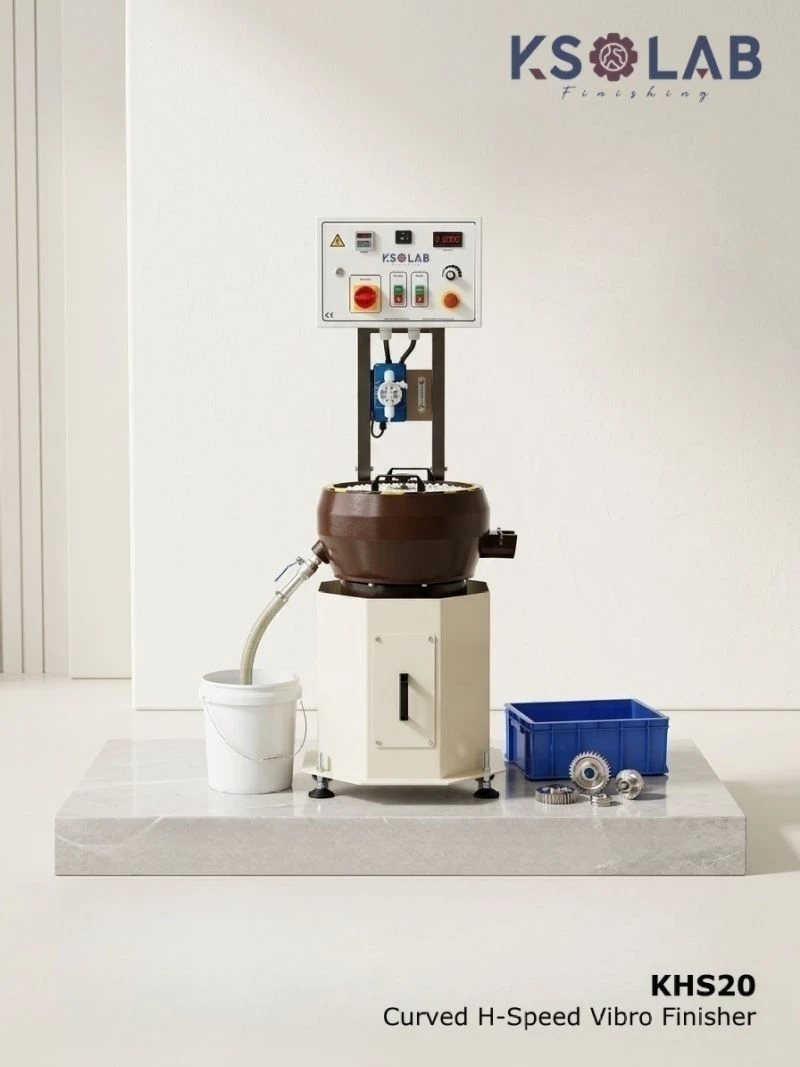
If you’ve tried all these tricks and your dryer is still taking forever, it might be time to get it checked out—maybe there’s a faulty heating element or something else going on. If you’re looking for a new dryer that’s built for fast, efficient drying, feel free to reach out to our team for procurement and consultation. We can help you pick the right model for your laundry needs, whether it’s a small apartment dryer or a large capacity for a big family. No pressure, just honest advice.
Waste Water Treatment References:
- U.S. Department of Energy, “Clothes Dryer Efficiency Tips,” Energy.gov
- Textile Institute, “Moisture Management in Fabrics for Laundry Applications,” Journal of Textile and Apparel, Technology and Management
- Home Ventilating Institute, “Dryer Vent Maintenance Guidelines,” HVI.org
- Association of Home Appliance Manufacturers, “Residential Clothes Dryer Performance Standards,” AHAM.org
KS Lab Finishing Co., Ltd.
As one of the most professional dryer manufacturers in China, we also support customized service. We warmly welcome you to wholesale durable dryer made in China here from our factory. If you have any enquiry about pricelist, please feel free to email us.
Address: No.11-14, Yantian Shuibei Commercial Street, Fenggang Town,Dongguan,China
E-mail: sales@kslabfinishing.com
WebSite: https://www.kslabfinishing.net/
