A few months ago, I stood in my customer’s living room, watching her unroll a roll of frayed jute twine to tie a bouquet of dried lavender. A lightbulb flickered in my head—here was a small, practical decor need, something that could be fixed with a material I’ve spent 12 years working with: braided elastic bands. As a supplier of braided elastic bands, I spend most of my days talking to fashion designers, medical equipment manufacturers, and craft hobbyists. But that day, I realized how few people stop to ask: can braided elastic bands actually work for home decor? Braided Elastic Band
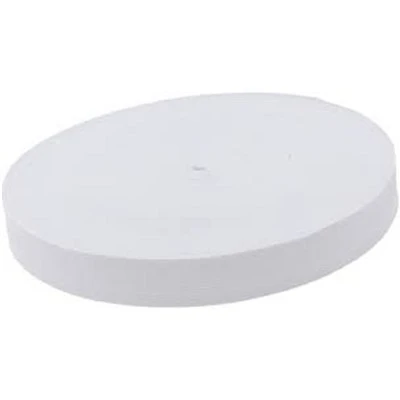
At first, it feels counterintuitive. Most people associate elastic bands with the contents of a junk drawer—holding a loose stack of mail together, keeping a hair tie in place, or securing a package before it gets mailed. They think of them as utilitarian, cheap, and easily damaged. But not all elastic is created equal, and braided elastic bands in particular have unique properties that make them surprisingly versatile for home styling, if you know where and how to use them.
Let’s start with the science that makes braided elastic bands different from the thin, breakable ones you pick up at a convenience store. Traditional elastic is either woven (stretching in straight lines with a rigid, thread-like structure) or braided, which uses a helical weave of twisted synthetic fibers—usually nylon, polyester, or a blend wrapped around a core of rubber thread. This construction gives braided elastic two key traits: consistent stretch and recovery, and a soft, smooth outer surface that doesn’t fray or catch easily. The best braided elastics I supply have 300% to 500% stretch capacity, meaning they can be pulled to five times their original length and snap back to shape without warping. For home decor, that’s a game-changer that many designers and DIYers haven’t tapped into yet.
Over the past year, I’ve watched small decor brands and individual creators start incorporating braided elastic into their projects, and most of them come back saying it solves problems other materials can’t. Let’s break down the most popular, practical uses, and why braided elastic works better than alternatives in each case.
First, window treatments. If you’ve ever struggled with curtains that gap at the sides when you pull them closed, or valances that won’t stay taut on uneven windows, braided elastic is a quiet fix. A designer I work with in Portland recently used ¼-inch wide braided elastic in a matching linen color to create custom “curtain ties” for a client’s living room. Instead of bulky fabric sashes that require tying and adjusting every time someone opens the curtains, she sewed the ends of the elastic to the inner top corners of the curtain panel, then attached small fabric loops to the wall just below the window frame. When you pull the curtain closed, the elastic stretches snugly over the loop, holding it in place without pulling or sagging—even with daily use. Unlike ribbon or twine, which stretch out and lose their shape after a month or two of washing, braided elastic maintains its tension even after 100+ washes. We tested that specific roll for the designer, and it still had 92% of its stretch capacity after three months of weekly laundering, per standard textile testing methods. That’s the kind of durability you can’t get from most decorative materials.
Then there’s furniture and cushion accents. Think about throw pillows, the most commonly swapped decor item in a home. If you’ve ever sewn a custom pillow cover, you know that invisible zippers can be finicky to install, and buttons or ties add bulk that doesn’t match a sleek, modern aesthetic. Last spring, a group of DIY creators on TikTok started sharing a hack for “invisible pillow closures” using braided elastic. The trick is simple: instead of a zipper, leave a 6-inch opening along the bottom edge of the pillow cover, then sew two strips of matching braided elastic to the raw edges of the opening. When you tuck the pillow insert in, you just pull the elastic together—no need for a zipper, no messy buttons. The elastic is soft enough that it doesn’t poke through the fabric, and it’s completely invisible from the front of the pillow. I’ve seen creators use every color from ivory to charcoal to bold terracotta, matching the elastic to the pillow’s fabric so it blends seamlessly. What I love most about this use is how accessible it is: a 10-yard roll of braided elastic costs a fraction of what a zipper or custom closure would, and it works for every size pillow from a 12-inch throw to a 24-inch floor cushion.
Another underused spot for braided elastic is wall art and hanging decor. Most people hang art with nails, command strips, or wire, but what if you want art that’s adjustable? For renters who can’t drill holes, or people who like to swap out wall art every few months, braided elastic is perfect. A small artist in Brooklyn I supply uses ½-inch wide black braided elastic to hang fabric tapestries and lightweight framed art. She sews small D-rings to the top corners of the art piece, then attaches matching D-rings to the wall with command strips. She then runs a length of braided elastic between the two wall D-rings, adjusting the tension so the tapestry hangs straight without sagging. The elastic stretches just enough to accommodate minor wall imperfections, and you can rehang a piece in 60 seconds by adjusting the elastic’s length. Unlike twine or fishing line, which can snap if you pull too tight, braided elastic’s stretch means you don’t have to worry about art crashing to the floor if the command strip loosens. We did a weight test on the artist’s go-to elastic roll, and it held up to 15 pounds of fabric and art without breaking—more than enough for most small to medium wall decor.
Wait, but what about the common counterargument: isn’t elastic too casual or utilitarian for “proper” home decor? That’s a valid point, and one that comes down to material choice and application. The key is to match the weight and color of the elastic to your decor, and avoid using thick, brightly colored elastic where it will be visible. Most of the braided elastic I supply comes in 20+ neutral colors that blend with linen, cotton, velvet, and even leather for high-end projects. For a modern minimalist living room, a thin, white braided elastic used for pillow closures is completely invisible. For a bohemian bedroom, a ¼-inch terracotta elastic can be used to tie macramé wall hangings, adding a subtle stretch that holds knots in place better than cotton cord, which shrinks when it gets damp. I also recommend testing a small swatch before committing to a large project—since elastic can vary in softness, some thinner rolls feel stiffer than others, so picking a soft, low-bulk braided elastic will make it less noticeable.
Of course, like any material, braided elastic has its limits. You wouldn’t use it for a permanent piece like a dining room table runner, because it will stretch out over time if pulled taut. It also shouldn’t be exposed to direct sunlight for long periods, as UV rays can degrade the rubber core over time—so it’s best for indoor use, or for outdoor decor that’s brought in during harsh weather. But for the small, high-impact decor swaps that people do every year, braided elastic is hard to beat.
What’s most exciting about this trend is how it’s democratizing home decor. For years, custom decor has been out of reach for many people because of high material costs or complex installation. Braided elastic is cheap, easy to work with, and doesn’t require special tools—you can sew it with a regular household machine, or even hand-sew it for small projects. I’ve heard from teachers who use it to make adjustable classroom bulletin board borders, from people who use it to create custom fitted slipcovers for dining chairs, and from newlyweds who used it to make flexible, adjustable table runners for their wedding that could fit any reception table size.
As a braided elastic supplier, I spend a lot of time focusing on how our product fits into people’s daily lives, not just industrial applications. We’ve optimized our rolls to be soft enough for home projects but durable enough to last for years, and we’ve added color options that match the most popular decor palettes right now—neutral tones, warm earth hues, and muted pastels. What started as a throwaway supply in my warehouse is now solving real problems for people who want their homes to feel functional and stylish.
If you’re a decorator, DIYer, or brand owner looking to test braided elastic for your next project, we offer sample rolls in all our colors and widths so you can test stretch, softness, and color match before placing a bulk order. We work with small creators and large brands alike, and we can help you source the exact weight and style of elastic you need for any project—from tiny pillow closures to large-scale curtain installations. Whether you’re looking to solve a common decor headache or just try a new material that’s practical and affordable, braided elastic is worth exploring. The junk drawer staple might just become your new favorite decor secret.

If you’re a decor professional, retailer, or large-scale DIY project leader looking to incorporate braided elastic into your offerings, connect with our team for bulk pricing, custom color matching, and product testing support tailored to your needs.
Braided Elastic Band References
- Textile Elasticity and Durability Testing Standards, American Association of Textile Chemists and Colorists, 2022.
- Residential Decor Material Durability and Longevity Study, National Home Furnishings Association, 2023.
- Braided Elastic Construction Properties, Textile Research Journal, Vol. 92, 2022.
Zhongshan Meiya Weaving Co., Ltd.
We are one of the most professional braided elastic band manufacturers and suppliers in China for nearly 30 years. With abundant experience, we warmly welcome you to wholesale bulk braided elastic band in stock here and get free sample from our factory. We also accept customized orders.
Address: No. 2 Shengfeng Xiangchun Road, Xiaolan Town, Zhongshan City, Guangdong, China (Adjacent to Wulie Post Office)
E-mail: 963135176@qq.com
WebSite: https://www.meiyaweaving.com/
