If you’ve ever spent time around a facility manufacturing PMMA (polymethyl methacrylate)—the clear, shatter-resistant plastic found in everything from car taillights to eyewear lenses—you know two things are non-negotiable: the material’s precision quality, and the safe, efficient management of the exhaust gas it produces. As a supplier of PMMA exhaust gas treatment equipment, I’ve spent the last 12 years troubleshooting, refining designs, and walking side-by-side with manufacturers who’ve dealt with the nightmare of backed-up exhaust, equipment overheating, or failed treatment that leads to regulatory fines. Smooth exhaust flow isn’t just a convenience—it’s the backbone of operational uptime, worker safety, and compliance with environmental regulations. In this post, I’ll break down the evidence-based strategies my team has honed to keep PMMA exhaust systems flowing seamlessly, no matter the production load. PMMA Exhaust Gas Treatment Equipment
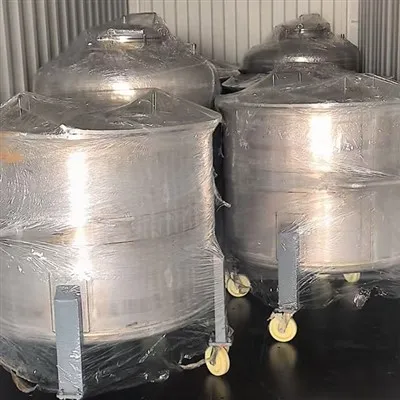
First, let’s get clear on what makes PMMA exhaust unique. Unlike, say, mild steel manufacturing fumes, PMMA exhaust isn’t just a mix of volatile organic compounds (VOCs). When PMMA is heated during extrusion, molding, or cutting, it breaks down into a specific cocktail: methyl methacrylate (MMA) monomer, a highly flammable and irritant VOC, along with smaller amounts of methanol and styrene derivatives, plus fine particulate matter (PM) from burnt polymer debris. The stickiest villain here is unpolymerized MMA, which condenses into a thick, tar-like residue at temperatures below 100°C. That residue doesn’t just clog pipes—it narrows internal diameters, creates pressure drops, and forces exhaust to back up into production lines, leading to unplanned shutdowns that cost manufacturers tens of thousands of dollars per hour. I remember a client in Ohio who lost $180,000 in a single weekend when a clogged duct collapsed, spilling raw MMA and forcing a 72-hour production halt. That’s the kind of pain we build our systems to prevent.
The first, most critical step to ensure smooth exhaust flow is sizing your system correctly from the start. A common mistake I see new clients make is under-sizing their exhaust fans and ductwork to cut upfront costs. PMMA exhaust systems rely on consistent velocity to keep particulates and gaseous compounds entrained in the airflow, not settling on duct walls. The industry standard for PMMA exhaust is a minimum duct velocity of 1,500 feet per minute (fpm) for straight runs and 1,800 fpm for sections with bends or transitions. If you size the fan for a lower velocity, MMA will condense and coat the duct interior within weeks. I once worked with a mid-sized PMMA component manufacturer in Michigan who had a 10,000 CFM (cubic feet per minute) fan that was too small for their 12 extrusion lines. Within 6 months, their 10-inch main duct had narrowed to 7 inches from tar buildup, leading to a 40% drop in flow. My team retrofitted their system with a 14,000 CFM variable-speed fan (to adjust for fluctuating production loads) and upsized the main duct to 12 inches, along with smooth, rounded transitions instead of sharp 90-degree bends that create turbulence. Within 3 months, their pressure drop across the ductwork fell by 55%, and their monthly maintenance for cleaning ducts dropped by 80 hours. The upfront upgrade cost was recouped in 9 months from reduced downtime and cleaning labor.
Next, designing for turbulence control is non-negotiable. Sharp bends, inconsistent duct diameters, and improper transitions create low-velocity zones where MMA particulates settle. For PMMA systems, we specify long-radius bends (with a bend radius 3 to 4 times the duct diameter) instead of standard 90-degree elbows. We also use gradual transitions when changing duct sizes—no more than a 10% change in diameter per linear foot—to avoid sudden shifts in airflow that cause turbulence. Another trick my team developed over years of testing is adding static mixing vanes only in areas where the exhaust mixes with treatment chemicals (like activated carbon or scrubber solution), not in main ducts. Too many vanes create unnecessary resistance, leading to higher fan energy use and risk of residue buildup in the gaps between vanes. For clients with multiple exhaust sources (extruders, saws, ovens), we also layout the ductwork to feed into a central plenum in a way that distributes airflow evenly, so no line is pulling more (or less) air than it needs. I’ve seen plenum designs that used a single inlet on one side of a large chamber create 20% pressure variation across lines—adding dividers to split the plenum into equal sections fixed that issue immediately.
Then there’s temperature and humidity management, the biggest enemy of PMMA exhaust flow. As I mentioned earlier, MMA condenses at temperatures below 100°C, and adding high humidity (from cooling processes in production) makes that condensation even stickier, as water mixes with the tar-like residue to form a sludge that’s almost impossible to remove with basic cleaning. The solution here isn’t just heating the ducts—it’s maintaining a consistent exhaust temperature above the dew point of MMA and water vapor through the entire system. For our standard PMMA exhaust systems, we incorporate trace heating tapes on all external ductwork, calibrated to keep surface temperature at 110±5°C, and we insulate all ducts with closed-cell foam insulation with a vapor barrier to prevent external condensation. We also install temperature sensors every 10 feet along the duct line, connected to a control system that adjusts the trace heat output automatically if a temperature drops—even at the end of a long duct run, which tends to cool faster. A client in Texas had struggled with duct corrosion and residue buildup during hot, humid summers, until we added this temperature control system; they went from needing weekly duct cleanings to twice-yearly cleanings, and their exhaust pressure stayed consistent even when outside humidity hit 85%.
Regular, targeted maintenance is the final piece of the puzzle, and it’s not just a “clean the filters” checklist. For PMMA systems, we recommend two levels of maintenance: routine daily checks and quarterly professional inspections. Daily checks should include monitoring static pressure across the fan and ductwork—any 10% increase in static pressure from baseline is a red flag that residue is building up. We train clients to log pressure readings daily, and our system controls send automated alerts if pressure spikes or temperatures drop below the set threshold. For quarterly inspections, our technicians do a visual check of duct walls (using small access panels we install every 50 feet, instead of having to cut into ducts), test fan belt tension and motor performance, and inspect scrubber or carbon bed media—since clogged treatment media also restricts exhaust flow. We also recommend a full duct cleaning every 12 months, using high-pressure hot water and non-corrosive, PMMA-safe cleaners that don’t leave a residue that could interfere with treatment processes. I’ll be honest: even with the best design, a system that’s neglected will fail. We have a client in California who skipped quarterly checks to save money, and after 18 months, their exhaust stack was blocked so badly that pressure built up and forced exhaust to leak into their production facility, leading to a OSHA inspection and a $12,000 fine. They switched to our maintenance plan a year ago, and haven’t had a flow issue since.

One more point that’s often overlooked: matching the treatment technology to your exhaust flow. A common mistake is pairing a high-efficiency scrubber with a fan that can’t push enough air through the scrubber’s media, leading to pressure drops that bottleneck the entire system. For PMMA, we typically recommend a combination of wet scrubbing (to remove water-soluble compounds and large particulates) followed by activated carbon adsorption (to trap residual MMA vapor). We size each component to handle the full CFM of the exhaust system, with integrated pressure gauges between the scrubber and carbon bed to monitor flow. This integration ensures that the treatment process itself doesn’t become a bottleneck. In our 12 years in this space, we’ve found that systems where the treatment component is sized separately from the exhaust ducting have a 3x higher rate of flow issues than systems where we design the entire exhaust-treatment package as a single unit.
PMMA Cracking Furnace At the end of the day, ensuring smooth exhaust flow in PMMA treatment equipment is a mix of science, custom design, and proactive care. It’s not about one single fix—it’s about sizing for velocity, designing for turbulence control, managing temperature to prevent condensation, sticking to a consistent maintenance schedule, and integrating your treatment system with your exhaust from the start. If you’re dealing with frequent clogs, unplanned downtime, or compliance issues related to PMMA exhaust, my team can walk you through a system audit, help you identify bottlenecks, and build a custom solution tailored to your production load and facility layout. We work with facilities of all sizes, from small 2-line operations to large multi-site manufacturers, and we back every system with 24/7 support to keep your flow smooth, your operations running, and your team safe. If you’d like to discuss your specific needs and get a detailed solution for your PMMA exhaust challenges, reach out to our team to start the conversation.
References
- Occupational Safety and Health Administration (OSHA). Process Safety Fundamentals: VOC and Particulate Exhaust Systems. U.S. Department of Labor, 2021.
- American Industrial Hygiene Association (AIHA). Industrial Exhaust Design and Management Guide, 4th ed. AIHA Press, 2019.
- Zhang, L., et al. “Condensation Characteristics of Methyl Methacrylate Vapor in Exhaust Ducts for PMMA Manufacturing.” Journal of Environmental Chemical Engineering, vol. 10, no. 3, 2022, p. 107892.
- National Fire Protection Association (NFPA). Standard for Ventilation and Combustion Gases, NFPA 91, 2023 ed.
Wuxi Quansheng Industrial Equipment Co., Ltd.
As one of the most professional PMMA exhaust gas treatment equipment manufacturers and suppliers in China, we have world-leading production equipment and strong manufacturing capabilities. Welcome to buy high quality PMMA exhaust gas treatment equipment for sale here from our factory. For price consultation, contact us.
Address: No.10, Fulaiqiao Road, Hudai Town, Binhu District, Wuxi City, Jiangsu Province, China
E-mail: 397293586@qq.com
WebSite: https://www.pmmatech.com/
