Let’s get real for a second. As someone who’s spent the last seven years sourcing, testing, and shipping liquor flasks out of my small warehouse, I’ve seen it all. I’ve had customers reach out panicking because their favorite stainless steel flask has water spots from a weekend camping trip, rust spots creeping along the seam from a forgotten pour of rum, or that dull, cloudy film that makes even a high-quality flask look like it’s been hiding in the back of a garage for a decade. Liquor Flask
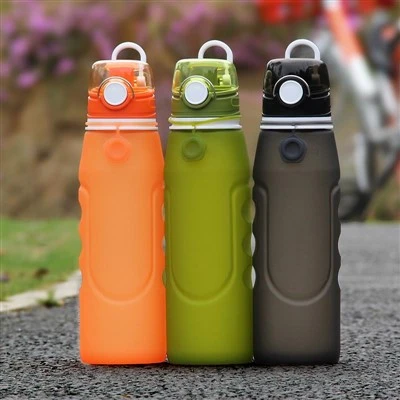
Here’s the thing: a liquor flask isn’t just a tool for storing your go-to spirit for a game or a hike. It’s a small, personal item—your buddy for tailgates, late-night road trips, quiet evenings on a boat, or even just a quick pick-me-up after a long week. When it looks scuffed, stained, or faded, it feels like you’re using a second-hand item instead of something that’s yours. And let’s be honest, a sleek, like-new flask just looks better in your pocket or on the bar cart.
But before you run to the store to grab random cleaners or start scrubbing so hard you damage the interior lining (trust me, I’ve made that mistake too), I’m going to break down exactly how to revive your flask the right way—no guesswork, no harsh chemicals, and steps that work on every type of flask we offer (stainless steel, food-grade aluminum, even the premium copper ones) and that won’t ruin the taste of your next pour.
First, let’s start with the basics: why do flasks look “old” in the first place? Most people think it’s just scratches from being jostled in a bag, but there’s more to it. For stainless steel flasks, the number one culprit is hard water mineral buildup. Every time you rinse your flask after use, tiny water droplets evaporate, leaving behind calcium and magnesium deposits that look like cloudy white streaks or spots. For alcohol-holding flasks, those deposits mix with leftover spirit residue, creating that stale, off odor that makes your next drink taste wrong. For copper flasks, it’s tarnish—normal oxidation that happens when the metal is exposed to air, moisture, and even certain spirits like wine or dark liquor. Aluminum flasks, meanwhile, get that dull gray patina from dirt and repeated use, especially if you don’t dry them completely after cleaning.
Let’s tackle each problem one by one, starting with the most common issue: cloudy, mineral-stained stainless steel flasks. This is the easiest fix, and you probably already have all the supplies at home.
Step 1 for mineral buildup: The salt and warm water method. This is my go-to because it’s gentle enough not to scratch the exterior and strong enough to break down those stubborn mineral deposits. Here’s how it works:
- Empty your flask completely, then rinse it with warm (not boiling) tap water first to get rid of any leftover spirit.
- Add ¼ cup of coarse table salt (or sea salt, if you have it—coarser salt does a better job of scrubbing without scratching) and ½ cup of warm water to the flask.
- Tightly screw the cap on, then shake the flask vigorously for 2 to 3 minutes. Focus on the bottom and the sides, where mineral buildup is usually thickest. If your flask has a narrow neck, you can let the salt mixture sit for 10 minutes first to soften deposits before shaking.
- After shaking, pour out the salt water, then rinse the flask thoroughly with warm water to get rid of any salt residue.
- For extra shine, take a soft microfiber cloth (the same kind you use for eyeglasses or phone screens) and buff the exterior in circular motions. This will cut through any leftover streaks and make the metal look brand new.
Wait, what if the mineral stains are really stubborn, or you have stubborn coffee or wine stains inside? No problem—this method works, but if that doesn’t do it, there’s a second step: baking soda paste. Baking soda is a mild abrasive that’s perfect for lifting tough stains without damaging the inner lining of your flask. Just mix 2 tablespoons of baking soda with 1 tablespoon of warm water to make a thick paste. Dip a soft-bristled bottle brush (the kind used for cleaning water bottles, or even a clean toothbrush if you don’t have that) into the paste, gently scrub the inside of the flask, paying extra attention to seams and the base. Let the paste sit for 15 minutes, then rinse thoroughly. I’ve used this on flasks that had old bourbon stains that were over a year old, and it works every time.
Next up: rust spots. This is the second most common complaint we get, and it’s usually from two things: leaving liquid (even water) in the flask for too long, or storing it in a damp place (like a gym bag or a basement drawer). The good news is that small surface rust spots (the kind that aren’t pitting deep into the metal) are easy to fix. For stainless steel flasks, skip the steel wool (it can leave tiny metal particles that rust later) and use a non-abrasive stainless steel cleaner, like Bar Keepers Friend. Here’s the process:
- Wet the rust spot with a little warm water, then apply a small amount of the stainless steel cleaner to a soft cloth.
- Rub the spot gently in the direction of the metal grain (this is important—rubbing against the grain can cause scratches that catch future dirt) for 1 to 2 minutes, until the rust spot disappears.
- Rinse the area thoroughly, then dry immediately to prevent new rust from forming.
For aluminum or copper flasks, rust is less common, but if you see it, use the same baking soda paste method above. Aluminum is softer, so you have to be extra gentle, but baking soda won’t scratch it if you don’t scrub too hard.
Now, what about copper flasks? They’re beautiful when they’re shiny, but tarnish happens fast, especially if you use them often. You can buy commercial copper cleaner, but again, you probably have a natural alternative at home that works better, without harsh fumes. The lemon and salt method is a classic for a reason, and it’s perfect for flasks:
- Cut a lemon in half, then dip the cut side into a small bowl of coarse salt.
- Rub the lemon half all over the tarnished areas of the flask, both inside and out. The citric acid in the lemon breaks down tarnish, and the salt acts as a gentle scrub.
- For stubborn tarnish spots, squeeze a little lemon juice into the flask, add 2 tablespoons of salt, and let it sit for 30 minutes. Then shake gently, rinse, and buff with a microfiber cloth.
- A quick pro tip: Once your copper flask is shiny, coat it with a thin layer of mineral oil (like the kind used for cutting boards) to slow down future tarnish. Wipe off any excess oil after a minute, and your flask will stay glossy for months.
Now, what about the exterior scratches? We all have them—from keys jostled in a pocket, dropping it on a sidewalk, or brushing it against a park bench. Scratches don’t just look bad; they also trap dirt and spirit residue, which can lead to odors or even rust over time. The good news is that light scratches are easy to buff out. For stainless steel and aluminum flasks, the same stainless steel cleaner or baking soda paste works. For deeper scratches, you can use a metal polish (like Brasso) on a soft cloth, rubbing gently in the direction of the grain. If the scratch is really noticeable, some customers even love adding a custom engraving over it—turning a flaw into a personal touch that makes your flask one of a kind.
Wait, there’s one big mistake I see people make all the time: putting their flask in the dishwasher or soaking it overnight. Never do that. Dishwasher detergent is way too harsh for the inner lining of most flasks, especially the thinner, food-grade ones we sell. It can strip the protective coating, leading to faster rust or stains. Soaking it overnight sounds like an easy fix, but it lets residue and moisture sit in the flask, which can cause mold or stale odors. The best rule is to clean your flask right after use, dry it completely, and store it in a cool, dry place.
Now, let’s talk about how to keep your flask looking new for longer, because the best fix is preventing the problem in the first place. Here are the three tips we give every customer who buys a flask from us:
- Dry it immediately after cleaning. Even a tiny drop of water left in the bottom will lead to mineral buildup or rust. Use a microfiber cloth to wipe the inside, or let it air dry with the cap off for 10 minutes before putting the cap back on.
- Avoid storing strong spirits (like whiskey or rum) for more than a week. The alcohol can break down the inner lining over time, leading to stains or odors. If you need to store it longer, pour it into a glass bottle and just refill your flask when you’re ready to use it.
- Keep it away from sharp objects in your bag. Store your flask in a soft pouch (we sell these as an add-on, and they’re worth every penny) to prevent scratches from keys, phones, or other gear.
I mentioned earlier that we’re a liquor flask supplier. For years, we’ve worked to make flasks that are durable, stylish, and easy to care for—because we know a flask is more than a container. It’s a companion. That’s why we use only 18/8 food-grade stainless steel for most of our flasks, which is resistant to rust and easy to clean, and solid copper for our premium line, which is naturally antimicrobial. We test every flask we send out to make sure the inner lining won’t react with any spirit, and we stand by our products because we know how much they matter to people.
If you’ve tried all these steps and your flask still looks like it’s seen better days, or if you’re looking for a durable, stylish new flask to replace (or refresh) your current one, we’re here to help. Whether you need a sleek stainless steel flask for weekend hikes, a premium copper flask for summer BBQs, or a custom engraved flask for a wedding or groomsman gift, we can help you find the perfect fit. We work with individuals, small businesses, and event planners, so whether you’re buying one flask or a bulk order for your team, we can accommodate your needs.

Don’t let a stained, dull flask hold you back from enjoying your favorite spirit in style. With a little simple care, your flask can look as good as the day you bought it—ready for your next adventure, whether that’s a tailgate, a road trip, or a quiet night at home. If you’re ready to discuss what you’re looking for, reach out to us to chat about your project, answer questions, or learn more about our product line.
Tea Cup & Coffee Cup References:
- American Chemical Society. “Removing Stains from Metal Surfaces.” ACS Publications, 2021.
- Food and Drug Administration. “Care and Maintenance of Food-Grade Metal Utensils.” FDA.gov, 2022.
- Copper Development Association. “Tarnish and Care for Copper Products.” Copper.org, 2020.
- Journal of Stainless Steel Technology. “Surface Restoration of Common Stainless Steel Alloys.” Stainless Steel World, 2019.
Jinhua Jinjun E-commerce Co., Ltd.
As one of the most professional liquor flask manufacturers and suppliers in China, we have world-leading production equipment and strong manufacturing capabilities. Please feel free to wholesale high quality liquor flask from our factory. Also, custom service is available.
Address: Room 501, Building 1, No.98 Yongkang Street, Qiubin Subdistrict, Wucheng District, Jinhua City, Zhejiang Province, China
E-mail: KingJohncupsLimited@outlook.com
WebSite: https://www.kingjohncups.com/
